Are online loans safe?
In the digital age, everything from shopping for groceries to getting a college degree can be done online. It’s no surprise that personal loans have followed suit. Online lending has exploded in popularity, offering a fast, convenient way to get money without ever setting foot in a bank. But as with any online transaction, a big question looms: are online loans safe?
The short answer is yes, many are. But not all of them. The online lending landscape is a mix of reputable, secure financial institutions and dangerous, predatory scams. This guide will help you understand the difference. We’ll cover how to identify a legitimate online lender, the security measures they use, and the red flags to watch out for to ensure your financial information and your wallet are protected. By the end, you’ll have the knowledge to navigate the online loan market with confidence.
The Rise of Online Lending: Speed, Convenience, and a New Way to Borrow

Traditional banks have long been the go-to for personal loans. The process typically involves a long application, a face-to-face meeting, and a waiting period for approval. Online lenders have disrupted this model by offering a streamlined, technology-driven approach.
How Online Loans Work and Their Main Appeal
Online lending platforms operate entirely on the internet. You can apply for a loan from your computer or smartphone, often receiving a decision in minutes and funds deposited into your bank account within a day or two. This speed and ease of use are a huge draw for borrowers.
Online lenders often have lower overhead costs than brick-and-mortar banks, which can translate into competitive interest rates and fees. Many also use different underwriting models, making them more accessible to people with less-than-perfect credit who might not be approved by a traditional bank. The entire experience is built around convenience, from the initial application to signing the loan documents electronically.
How to Tell if an Online Lender Is Legitimate
So, how do you know if the site you’re on is trustworthy? Legitimate online lenders follow strict regulations and prioritize transparency.
Look for a Secure Website
The very first thing you should check is the website’s security. A legitimate lender will always have a secure, encrypted website. Look for a padlock icon in the browser’s address bar and make sure the URL begins with “https://” (the “s” stands for secure). This means your data is encrypted when you submit it, protecting your personal information from hackers. If a site only has “http://”, leave immediately.
Check for State Licensing and a Physical Address
Reputable lenders are licensed to operate in the states where they offer loans. You can usually find this information in the footer of their website or on a “contact us” or “about us” page. They will also provide a physical address and contact information. Be wary of lenders that only have a P.O. Box or no contact information at all. You can also cross-reference their licensing with your state’s financial regulatory authority.
Read Reviews from Real Customers
One of the best ways to vet an online lender is by checking out their reputation. Look for customer reviews on independent sites like the Better Business Bureau (BBB), Trustpilot, and other financial forums. While no company has a perfect record, look for a high rating and a pattern of positive feedback. Pay attention to how the company responds to negative reviews—a professional and helpful response is a good sign.
Transparent Terms and Conditions
Legitimate lenders are upfront about all the costs involved. They will clearly disclose the Annual Percentage Rate (APR), loan term, and any fees, such as origination fees or late payment penalties. They are required by law to provide this information before you sign the loan agreement. If a lender is vague about these details or pressures you to sign without fully explaining the terms, it’s a major red flag.
Key Security Measures Reputable Online Lenders Use

Top-tier online lenders invest heavily in security to protect your sensitive data.
Data Encryption
From the moment you start an application, your personal and financial information should be encrypted. This means the data is scrambled into an unreadable code, protecting it as it travels from your computer to the lender’s servers. The strongest encryption methods, like AES-256, are the industry standard.
Multi-Factor Authentication (MFA)
Many online lenders now use MFA, which adds an extra layer of security to your account. This might involve a code sent to your phone or email after you log in with your password. This ensures that even if someone gets your password, they can’t access your account without that second verification step.
Third-Party Audits and Compliance
Legitimate lenders are often audited by third-party security firms to ensure their systems meet or exceed industry security standards. They also comply with federal and state regulations, such as the Gramm-Leach-Bliley Act, which requires financial institutions to explain their information-sharing practices and to protect sensitive data.
Red Flags: Warning Signs of an Online Loan Scam

The internet is full of scammers looking to take advantage of desperate borrowers. Knowing these red flags is crucial.
Upfront Fees
A common tactic among loan scammers is to ask for an upfront fee before you can get the loan. This is often called an “insurance fee,” “processing fee,” or “guarantee fee.” This is a huge red flag. Legitimate lenders may charge an origination fee, but it’s always deducted from the loan amount after the loan is approved and disbursed. Never pay a fee before you get your loan funds.
“Guaranteed” Approval
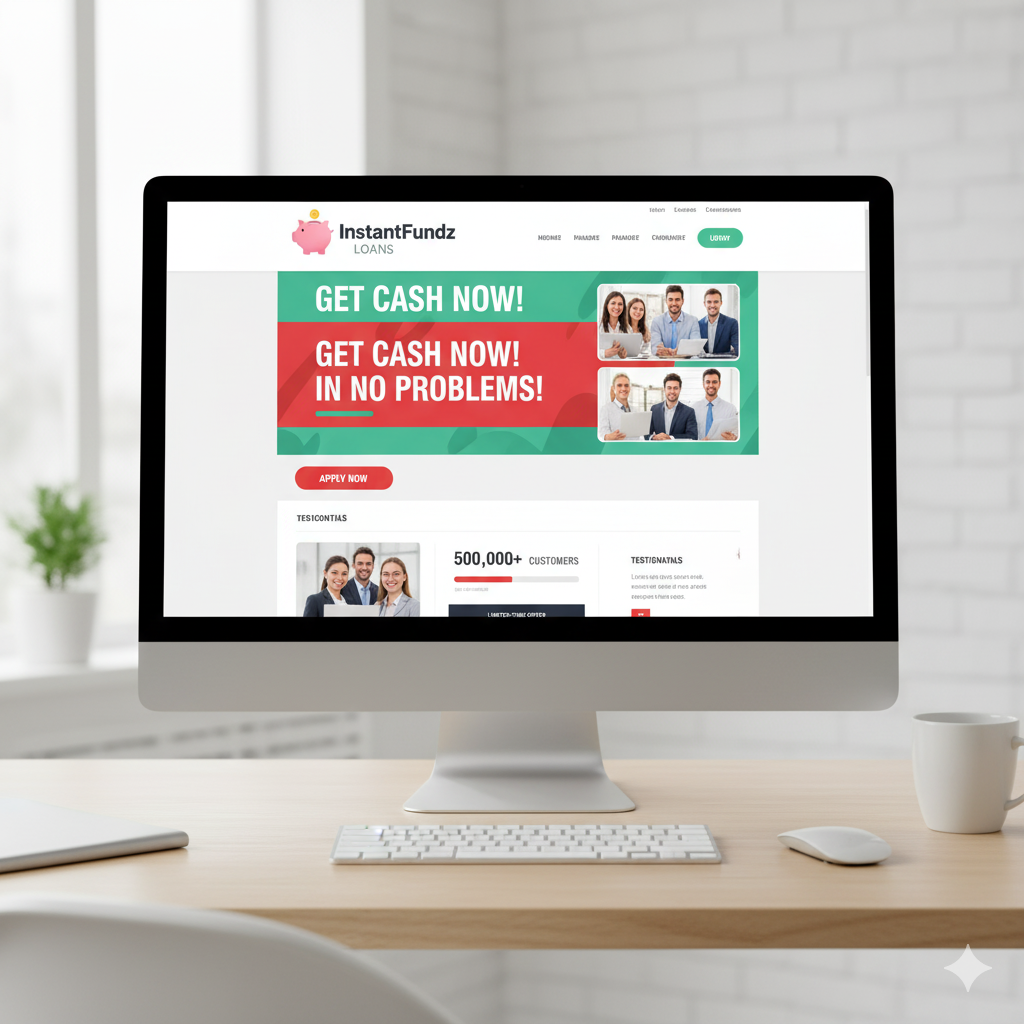
If a lender promises a guaranteed approval regardless of your credit score or financial history, it’s almost certainly a scam. Reputable lenders will always review your credit and income to assess risk. Be very suspicious of any website or ad that uses phrases like “no credit check loan” or “guaranteed approval.”
Unsolicited Offers and Pressure Tactics
Be cautious of unsolicited loan offers you receive via email, text message, or phone call. Scammers often use these methods to lure victims. Additionally, watch out for high-pressure sales tactics. If a lender pressures you to “act now” or tells you the offer is only good for a very limited time, they are trying to rush you into a bad decision before you have time to think or research.
Vague or Non-Existent Loan Terms
A legitimate loan agreement will have specific details about the loan amount, interest rate, term, and payment schedule. If the lender is vague about these details or refuses to provide a clear, written agreement, it’s a scam. They may be trying to hide a ridiculously high interest rate or an unreasonable repayment schedule.
A Step-by-Step Guide to Safely Securing an Online Loan
By following these steps, you can significantly reduce your risk and find a secure loan.
- Check Your Credit: Before you start, get a free copy of your credit report from each of the three major credit bureaus. Knowing your score will help you understand what kind of rates you can expect and will help you spot a fraudulent offer.
- Shop Around: Don’t just go with the first lender you see. Compare offers from multiple legitimate lenders—banks, credit unions, and reputable online platforms. Look at the APR, loan term, and total cost of the loan.
- Read the Reviews: Research any potential lender on independent review sites.
- Confirm Security and Licensing: Before you enter any personal information, ensure the website is secure (“https://”) and that the lender is licensed to operate in your state.
- Review the Loan Agreement: Once you get an offer, read the loan agreement in full. Don’t be afraid to ask questions. Make sure you understand every fee and every term before you sign.
Making the Internet Work for You

Online loans offer a convenient and efficient way to borrow money, and when you’re dealing with a legitimate lender, they are just as safe as their traditional counterparts. The key is to be an informed and cautious consumer.
By knowing how to spot red flags, understanding the security measures that a reputable lender should have in place, and taking the time to shop around and review all the terms, you can harness the power of online lending without putting your financial security at risk. The internet is a powerful financial tool—you just need to know how to use it safely.