Understand the difference between basic and additional coverage in an insurance policy

Insurance is one of the most significant financial products you will ever purchase, yet it remains one of the most misunderstood. When you sign a contract for your car, home, or life, you are essentially buying a promise: a promise of financial safety in the event of a disaster. However, not all promises are created equal.
Many consumers fall into a common trap: they purchase a policy based solely on the lowest monthly premium, assuming they are “fully covered.” It is often only when a crisis hits—a flooded basement, a stolen wedding ring, or a minor car accident—that they discover the harsh reality of their policy’s limitations.
To protect your assets effectively, you must understand the architecture of an insurance policy. This guide will dismantle the jargon and explain, in simple terms, the profound difference between Basic Coverage and Additional Coverage (often called riders or endorsements). By the end of this article, you will know exactly how to build a safety net that actually catches you when you fall.
1. What Is Basic Coverage? Understanding the Foundation of Your Policy

Think of an insurance policy like buying a new house. Basic coverage is the structure itself: the walls, the roof, and the foundation. It is the minimum viable product required to protect you against the most common and catastrophic risks.
In many jurisdictions, basic coverage is often the “mandatory” minimum required by law (especially in auto insurance) or by a lender (in home mortgages).
The Purpose of Basic Coverage
The primary goal of basic coverage is to protect you from financial ruin, but usually in a specific, limited scope.
-
Liability: Most basic policies focus heavily on liability. If you hurt someone else or damage their property, basic coverage pays for their losses so you don’t get sued into bankruptcy.
-
Standard Perils: In property insurance, basic coverage protects against “named perils”—common disasters like fire, lightning, or theft.
Key Takeaway: Basic coverage is the “Standard Model.” It is designed for the average person with average risks. However, very few people actually live “average” lives; most have specific needs that basic policies ignore.
2. Unlocking the Power of Additional Coverage (Riders and Endorsements)
If basic coverage is the house, Additional Coverage represents the renovations, the security system, and the high-end furniture. In insurance terminology, these are often referred to as “riders,” “endorsements,” “add-ons,” or “floaters.”
Additional coverage is optional protection that you can purchase to fill the gaps left by your basic policy. It allows you to customize a generic policy to fit your specific lifestyle, assets, and risk tolerance.
Why Do Add-ons Exist?
Insurance companies create standard policies to keep prices competitive. If every policy automatically covered every possible scenario (from earthquakes to identity theft), the premiums would be too expensive for the average consumer. Additional coverage allows you to pay only for the extra risks that are relevant to you.
3. Basic vs. Additional: A Direct Comparison of Scope and Function
To make smart decisions, you need to visualize how these two types of coverage interact. Here is how they differ in functionality:
-
Inclusion: Basic coverage comes automatically with the policy. Additional coverage must be explicitly requested and added.
-
Cost Structure: Basic coverage dictates the bulk of your premium. Additional coverages are usually smaller, incremental costs added to the total.
-
Flexibility: You usually cannot change the terms of basic coverage significantly (other than adjusting limits). Additional coverage is highly flexible; you can add or drop riders as your life changes.
-
Deductibles: Sometimes, additional coverages have their own separate deductibles (the amount you pay out-of-pocket before insurance kicks in), which may differ from your main policy deductible.
4. Navigating Auto Insurance: Liability vs. Comprehensive Protection
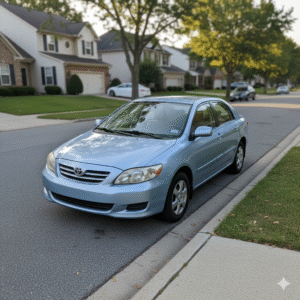
The distinction between basic and additional coverage is perhaps most visible—and most financially dangerous—in the world of auto insurance.
The Basic Level: Liability Only
In most places, the law requires you to have Bodily Injury Liability and Property Damage Liability.
-
What it covers: Medical bills for the other driver if you hit them, and repairs for their car.
-
The Trap: If you have only basic liability and you crash your car into a tree, your insurance pays zero to repair your own vehicle. You are on your own.
The Additional Level: Full Coverage and Riders
To protect your own vehicle and wallet, you need additional layers:
-
Collision Coverage: Pays to repair your car if you hit another vehicle or object.
-
Comprehensive Coverage: Pays for non-collision events, such as theft, vandalism, fire, hail damage, or hitting an animal (like a deer).
-
Gap Insurance: A crucial add-on for new cars. If your car is totaled, standard insurance pays the current market value. If you owe more on your loan than the car is worth, Gap insurance covers the difference. Without it, you could be paying off a loan for a car you no longer drive.
-
Roadside Assistance: Covers towing, battery jumps, and flat tires.
5. Homeowners Insurance: Why “All Perils” Doesn’t Mean Everything
Homeowners often believe their policy covers “everything that could happen to a house.” This is rarely true. Standard home insurance usually covers “Named Perils” like fire, wind, and theft.
The “Flood” Misconception
This is the most common and devastating mistake homeowners make. Standard (Basic) Homeowners Insurance almost never covers flood damage.
If a pipe bursts in your wall, that is usually covered (sudden and accidental water damage). However, if a river rises or heavy rain causes water to enter your home from the ground up, that is a “Flood.”
-
The Fix: You must purchase a separate Flood Insurance policy or rider. This is a classic example of essential additional coverage.
Valuables and Scheduling
Basic coverage usually has a “sub-limit” for expensive items. For example, your policy might cover $100,000 in personal property, but only limit jewelry coverage to $1,500.
-
The Fix: You need a “Scheduled Personal Property” rider. This specifically lists expensive items (engagement rings, art, expensive electronics) and covers them for their full appraised value, often with no deductible.
6. Life Insurance: Customizing Protection for Your Family’s Future
Life insurance seems binary: you either pass away, and it pays, or you don’t. However, modern life insurance is a sophisticated financial tool with various additional layers.
Basic Death Benefit
This is the face value of the policy. If the insured passes away while the policy is active, the beneficiary receives the lump sum.
Critical Additional Riders
-
Accelerated Death Benefit: This allows you to access a portion of your death benefit while you are still alive if you are diagnosed with a terminal illness. This can help pay for end-of-life care.
-
Waiver of Premium: If you become disabled and cannot work, this rider ensures your life insurance policy remains active without you having to pay the premiums.
-
Child Term Rider: This provides a small amount of life insurance for your children under your main policy, usually for a very low cost.
7. The Cost-Benefit Analysis: Is Additional Coverage Worth the Price?

A savvy consumer asks: “Do I really need to pay extra for these riders?” The answer lies in assessing your Risk Tolerance versus your Savings.
Insurance is essentially the transfer of risk. You pay the insurance company to take the risk off your shoulders.
-
Scenario A: You drive a 15-year-old car worth $2,000.
-
Verdict: You might stick to Basic Liability. If the car is totaled, paying extra for Collision coverage might cost more over a few years than the car is worth.
-
-
Scenario B: You have a finished basement with expensive electronics in a low-lying area.
-
Verdict: The cost of a Water Backup or Flood rider (Additional Coverage) is likely a tiny fraction of the $30,000 it would cost to repair a flooded basement.
-
The Rule of Thumb: If you cannot comfortably write a check to replace the item or cover the loss tomorrow, you likely need the additional coverage.
8. Common “Exclusions” That Additional Coverage Can Fix
To understand what you need, you must read the Exclusions section of your policy. This is the fine print that lists what is not covered.
-
Sewer Backup: In many home policies, if the city sewer backs up into your drains, it is excluded from basic coverage. A “Water Backup” rider fixes this.
-
Earthquakes: Like floods, earth movement is almost always excluded from basic policies and requires a separate rider or policy.
-
Business Equipment at Home: If you run a business from home, your standard home policy may not cover your business inventory or expensive specialized equipment. You may need a business endorsement.
9. How to Audit Your Current Policies for Gaps
You should not wait for a renewal notice to review your insurance. Life changes, and your coverage should change with it. Here is a step-by-step audit process:
-
Inventory Your Assets: Make a list of your major assets (cars, home, jewelry, savings).
-
Read the “Declarations Page”: This is the first page of your policy. It lists your coverage limits. Look for the words “Excluded” or “Not Covered.”
-
Identify High-Risk Areas: Do you live in a storm zone? Do you have a teenage driver? Do you own a trampoline or a pool (high liability risks)?
-
Request Quotes for Riders: Ask your agent, “How much would it cost to add X coverage?” You will often be surprised at how affordable riders are. Adding thousands of dollars of coverage for electronics or sewer backup can sometimes cost less than the price of a coffee per month.
10. The Danger of Being Underinsured
The gap between Basic and Additional coverage is where “Underinsurance” lives. Being underinsured means you have a policy, but it is insufficient to cover your loss.
Imagine a house fire destroys your home. The rebuilding cost is $300,000. Your basic policy, which hasn’t been updated in ten years, covers $200,000. You are now responsible for the remaining $100,000.
However, if you had an “Inflation Guard” or “Extended Replacement Cost” rider (Additional Coverage), the policy would have automatically adjusted to cover the rising costs of construction materials and labor.
11. Building a Shield, Not Just a Paper Barrier

Insurance is not a “set it and forget it” product. It is a dynamic financial instrument. Basic coverage is your entry ticket—it keeps you legal and covers the bare minimum. But Additional Coverage is where true peace of mind resides. It is the customization that ensures your unique life, with all its specific valuables and risks, is genuinely protected.
Don’t settle for the default options. Take the time to speak with your insurance representative about the “what ifs.” Ask specifically about what is not covered in your basic plan. Investing a little more in additional coverage today can save you from a financial catastrophe tomorrow. Remember, the most expensive policy is the one that doesn’t pay when you need it most.