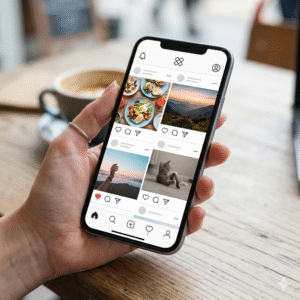
When spending becomes an addiction

We live in a world that constantly encourages consumption. Advertisements flash on every screen, “limited-time offers” create a false sense of urgency, and social media feeds are carefully curated to showcase the ideal lifestyle, often synonymous with having the newest, best things. For many, shopping is an enjoyable activity, a way to relax, or a necessary chore. But for a growing number of people, the harmless act of buying transforms into something far more dangerous: an uncontrollable addiction known as compulsive buying disorder (CBD).
Spending addiction, or oniomania, is not about simply enjoying shopping. It is a serious behavioral disorder that, much like any other addiction, can destroy a person’s life, finances, relationships, and mental health. The line between a normal spending habit and a clinical addiction is often blurred, masked by societal norms and digital convenience. This article will explore the psychology behind spending addiction, its warning signs, devastating consequences, and the path to recovery for those caught in its grip.
What is Compulsive Buying Disorder (CBD)? The Science of Spending Addiction

Compulsive buying disorder (CBD) is categorized as an impulse control disorder, distinct from impulsive buying. While impulsive buying is a spontaneous decision to purchase something you did not plan, compulsive buying is a chronic, repetitive pattern. The defining characteristic is the preoccupation with shopping and the powerful urge to spend money, often as a response to negative emotions. The actual act of acquiring the product is often secondary to the emotional process of searching, anticipating, and buying.
The Dopamine Connection
At the heart of CBD, as with most addictions, is the brain’s reward system. The primary neurotransmitter involved is dopamine. When you discover a new item you desire, are about to make a purchase, or receive confirmation of an order, your brain releases a surge of dopamine. This chemical is responsible for feelings of pleasure, excitement, and achievement.
The crucial point is that this release often peaks before the purchase, during the process of seeking the item. The dopamine hit provides a temporary escape from difficult emotions like anxiety, loneliness, boredom, or depression. However, the pleasure is short-lived. Once the item is acquired, the dopamine levels crash, often replaced by feelings of shame, guilt, and a powerful need for another cycle to recreate the high.
Understanding the Compulsive Loop
This cycle creates a dangerous feedback loop. The compulsion typically progresses through four stages:
-
Preoccupation: The individual is obsessed with a particular item or the general idea of shopping. They spend excessive time browsing online or in stores, reading reviews, and fantasizing about making purchases.
-
Preparation: The anticipation builds. The person may make shopping lists, look for coupons, or create a detailed plan for their shopping trip or digital browsing session.
-
The Purchase: The emotional peak. The act of buying offers a profound sense of relief, control, power, and temporary happiness. The “transaction high” is intensely pleasurable.
-
The Letdown: The items are bought, and the high fades. The reality of the financial impact sets in, leading to a “hangover” of shame, self-loathing, or regret. The cycle restarts when the negative emotions become overwhelming, and the brain seeks the only relief it knows: another shopping trip.
The Psychology of Spending Addiction: Dopamine, Emotion, and Control
Spending addiction is a complex issue, often a symptom of underlying psychological distress rather than the root problem itself. It is not just about a love for material goods; it is a learned emotional coping mechanism.
A Powerful Coping Tool
For many individuals, the motivation behind compulsive buying is to fill an emotional void. Shopping can provide a temporary feeling of confidence, power, or belonging. For those struggling with low self-esteem, buying luxurious items can offer a superficial sense of status. For someone experiencing chronic loneliness, the interaction with a cashier or the excitement of a delivery driver’s knock on the door can provide a moment of human connection.
Stress is a major trigger. The simplified “yes or no” decision-making process of purchasing offers a false sense of control in a life that feels otherwise unmanageable. The retail environment, with its bright lights, music, and welcoming staff, can become a comforting, predictable sanctuary from an unpredictable reality.
The Illusion of Control and Identity
Compulsive spending can also be an attempt to manage one’s identity. We buy things we think will make us the person we want to be. We buy the yoga mat thinking we’ll start a daily practice. We buy the gourmet kitchen equipment to become the person who hosts dinner parties. Online shopping, with its algorithmic personalization, reinforces this by showing us products that fit a version of ourselves we wish to project, lowering our psychological defenses.
The brain learns to associate the temporary relief of a purchase with happiness. In moments of distress, this association is triggered, compelling the individual to seek the “dopamine escape.”
Common Warning Signs of a Spending Addiction
Distinguishing between a shopping enthusiast and a compulsive buyer can be difficult. However, there are clear psychological and behavioral markers that indicate a spending habit has crossed the threshold into addiction. If you recognize multiple patterns in this list, it may be time to examine your financial behaviors.
Behavioral Red Flags
-
Shopping to Manage Moods: The desire to shop occurs primarily when you feel anxious, depressed, lonely, angry, or even excited. The main objective is to change your emotional state.
-
The Feeling of Guilt and Remorse: Immediately after making a purchase, you feel intense shame, regret, or a “buying hangover.” You may find yourself quickly hiding the items or returning them, often without unpacking.
-
Hiding Purchases: You find yourself concealing shopping bags, credit card statements, and shipments from your partner, family, or roommates. You lie about how much you spent or what you bought.
-
Spending Beyond Your Means: You are consistently overdrawing your bank accounts, maxing out credit cards, or borrowing money from others to finance your purchases. Your spending is out of control and interferes with your ability to pay for essentials.
-
Accumulating Unused Items: Your home is cluttered with boxes of items that are unused, unopened, or still have the price tags attached. The desire to own the item often disappears once it is acquired.
-
“Ghost” Shopping Cart Behavior: You spend countless hours browsing online, adding hundreds of items to your digital cart, and then feel physically anxious or distressed if you are prevented from completing the transaction.
Mental and Emotional Indicators
-
Constant Preoccupation: Your thoughts are constantly consumed with the next item to buy, the next store to visit, or a current wish list. This obsession interferes with your ability to focus on work, relationships, or other hobbies.
-
Attempts to Cut Back Fail: You have repeatedly tried to stop or reduce your spending, perhaps by setting a budget, cutting up credit cards, or making “no-spend” rules, but you always fail to maintain the change.
-
Social Withdrawal: You neglect social obligations, work deadlines, or personal relationships because you are busy shopping or dealing with the negative emotions and debt your shopping causes.
The Financial, Personal, and Legal Consequences of Compulsive Spending

Spending addiction is not a superficial “first-world problem.” The fallout from compulsive buying is profound and multifaceted, creating a wake of destruction that affects all areas of a person’s life.
Financial Ruin
The most obvious impact is on finances. For a compulsive buyer, a standard budget is meaningless. The need for the dopamine hit overrides logical decision-making.
-
Crippling Debt: Credit card debt is the first to accumulate. High-interest rates turn manageable debts into insurmountable mountains of financial pressure. When cards are maxed, individuals may resort to predatory payday loans or personal loans with devastating terms.
-
Asset Liquidation: To cover spending and debt payments, a compulsive spender may liquidate assets. They might cash out retirement accounts, take out secondary mortgages, or sell cherished possessions, sacrificing their future financial security for a short-term fix.
-
Bankruptcy: For many, the ultimate financial consequence is personal bankruptcy. This has long-term repercussions on credit scores, making it difficult to rent an apartment, get a car loan, or sometimes even secure employment for years to come.
Relationship Breakdown
Money is a primary source of conflict in relationships, and a spending addiction amplifies this tension exponentially.
-
Erosion of Trust: The constant secrecy and lying required to maintain a spending addiction shatters trust within a partnership. A spouse or partner who discovers hidden debt or massive secret purchases feels betrayed, a feeling that can be more damaging than infidelity.
-
Isolation: The addiction thrives in secrecy. To avoid confrontation and shame, the individual may withdraw from social life, family gatherings, and hobbies that don’t involve shopping, leading to isolation and loneliness that ironically triggers more compulsive spending.
Career and Personal Wellness
-
Workplace Productivity: Preoccupation with shopping, managing finances, and hidden packages can lead to a drop in focus and productivity at work, potentially resulting in job loss.
-
Mental Health Decline: The constant cycle of a short high followed by profound guilt, shame, and self-loathing is devastating to self-esteem. It can cause chronic stress, anxiety, panic attacks, and depression.
-
Career Impact: The stress from debt, relationship problems, and preoccupation can cause a person’s professional life to suffer, impacting their trajectory and ability to build future wealth.
Breaking the Cycle: Strategies to Overcome Spending Addiction
Recovery from compulsive buying disorder is a journey that requires addressing both the underlying emotional triggers and the outward behavioral patterns. It is not just about financial knowledge; it is about emotional resilience. The key to breaking the cycle is systematically reintroducing friction into your financial life.
1. Identify Your Triggers
Start by understanding your emotional and environmental triggers. For the next two weeks, keep a journal. Write down how you were feeling and where you were every time you felt the powerful urge to shop. Were you bored at home? Did you just have a stressful meeting? Did a specific marketing email trigger the desire? Knowing your triggers is the first step in creating a defense plan.
2. Implement “Friction Techniques”
Friction is the enemy of impulsive behavior. The modern e-commerce landscape is designed to remove all friction (e.g., “One-Click Ordering”). To fight the addiction, you must create speed bumps.
-
The 72-Hour Rule: When you want to buy something non-essential, you must wait 72 hours. Add the item to your cart, but do not check out. The “transaction dopamine” fades within a day or two. If you still want the item after three days, you can consider it, but you will likely find the urge has passed.
-
Delete Shopping Apps: Shopping apps are always in your pocket, providing constant access and notifications that act as visual triggers. Force yourself to shop only on a desktop computer. The effort required to log in and sit down provides a window for rational thought.
-
Unsubscribe from Marketing Emails: These emails are “digital sirens” designed to lure you back into the store.
-
Use the “Cash-Only” Method: Delete saved credit card information from browsers and retail websites. The act of physically getting up, finding your wallet, and typing in 16 digits creates enough of a delay to stop many impulsive decisions. Better yet, switch to cash for everyday purchases. The “pain of paying” is neurologically stronger with physical money.
3. Replace the High
You cannot simply stop the dopamine-seeking behavior; you must replace it with a healthier alternative. The activity must provide a sense of achievement, control, or connection.
-
Exercise: A high-intensity workout releases a flood of endocannabinoids and dopamine, providing a powerful, natural “runner’s high.”
-
Creative Hobbies: Engaging in activities like writing, painting, playing music, gardening, or cooking provides a profound sense of achievement and a healthy outlet for stress and emotion.
-
Social Connection: Schedule time to connect with friends and family that does not involve shopping. Go for a walk, meet for a coffee, or host a game night.
-
Learn a New Skill: Take an online course, learn a language, or pick up a new practical skill. The structured progress and “leveling up” can provide the feeling of mastery and achievement that shopping falsely mimics.
4. Build Emotional Resilience
A significant portion of recovery involves addressing the psychological drivers of the addiction.
-
Mindfulness and Meditation: Learning mindfulness can help you sit with negative emotions without the immediate urge to escape through consumption. You learn that feelings of anxiety or boredom are temporary and manageable.
-
Build Self-Esteem: Identify the core of your low self-esteem and work to build it through achievement, not consumption. Focus on developing character, skills, and strong, genuine relationships.
-
“Identity Auditing”: For every potential purchase, ask yourself: “Am I buying this for who I am today, or for who I wish I was?”
The Role of Technology in Spending Addiction: E-commerce and Social Media
The digital revolution has transformed the financial landscape, and unfortunately, it has also become a massive accelerator of compulsive spending. Technology has optimized the psychology of addiction into every facet of our digital lives.
Algorithmic Targeting and Retargeting
Modern online retailers are not passive storefronts; they are active hunters of your attention and money. Algorithms track every page you visit, every item you look at, and even the way your mouse moves.
-
Personalization: This data is used to create a personal profile that identifies your emotional “sweet spot.” If you’ve been looking at hiking gear, you will not just see gear; you will see the exact brand, color, and price point that fits your previous data profile. This level of personalization makes the product feel like a perfect, meant-for-you solution.
-
Retargeting and the “Ghosting” Ad: The “mere-exposure effect” is a psychological principle where familiarity leads to preference. Algorithms follow you across the internet, showing you the same pair of headphones on your social media feed, your news apps, and your email for weeks. Eventually, a shopper often caves simply to stop the mental “noise” of the persistent advertisement.
The Gamification of Gratification
E-commerce has perfected the “delayed gratification” paradox. The dopamine spike occurs twice: once at the moment of checkout and a second time at the anticipation and arrival of the package. This double-hit is incredibly addictive for someone struggling with impulsive behavior.
Furthermore, features like “One-Click Ordering” and digital wallets (FaceID/Apple Pay) mean that the distance between “I want” and “I bought” is less than three seconds. This entirely eliminates the time needed for the prefrontal cortex—the analytical part of your brain—to catch up and question the need for the purchase.
Social Media as a Catalyst
Online shopping does not happen in a vacuum. It is deeply integrated into our social lives through platforms like Instagram, TikTok, and Pinterest.
-
The “Highlight Reel” and Social Comparison: Social media is a curated showcase of life’s best moments. Seeing others constantly flaunt high-frequency shopping—”hauls” and luxurious items—creates a skewed perception of “normal” consumption. Our brains misinterpret this curated content as standard, leading to a sense of social inadequacy that triggers more consumption in a desperate attempt to “catch up.”
-
Influencer Marketing: Influencers build a relationship of trust and aspiration with their followers. When they endorse a product, it feels like a genuine recommendation from a friend, lowering our financial defenses. The commercial transaction is disguised as a social recommendation.
-
Aspirational Identity: Social media allows us to curate an aesthetic that reflects the identity we want to project. Online shopping allows us to “purchase” an identity instantly, even if we never actually perform the habits associated with that identity.
Financial Recovery After Compulsive Spending: Budgeting and Debt Management
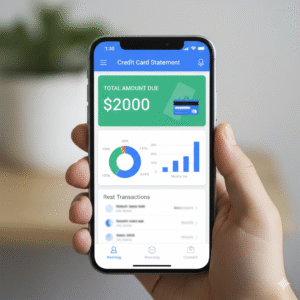
Overcoming a spending addiction requires a strategic, no-nonsense plan for financial triage and long-term health. The practical steps of financial recovery are just as important as the psychological ones.
1. Financial Triage and Stability
-
Gather Data: The first step is the hardest and most necessary. You must look at the damage. Collect all credit card statements, bank balances, loan documents, and lists of personal debts. You cannot fight an enemy you do not quantify.
-
Triage Essentials: Before addressing debt, you must secure your basic needs. Create a baseline budget that covers only essentials: housing, utilities, food, essential medicine, and transportation to work. Every penny beyond this goes toward debt repayment.
2. Strategic Debt Payoff
Compulsive spending often leaves behind a complex web of high-interest debt. You need a focused method for tackling it.
-
The Avalanche Method (Mathematical Focus): List your debts by interest rate. Make minimum payments on all. Throw every extra dollar at the debt with the absolute highest interest rate. This method mathematically saves the most money in the long run.
-
The Snowball Method (Psychological Focus): List your debts by balance, from smallest to largest. Make minimum payments on all. Throw every extra dollar at the smallest debt first. This method provides small, psychological “wins” that can be crucial for building momentum and motivation, which can be invaluable when battling a behavioral addiction.
3. Sustainable Budgeting
Once the immediate crisis is stabilized, you need a long-term budgeting method that provides structure. A budget should be a roadmap to financial freedom, not a restrictive financial straightjacket.
-
The 50/30/20 Rule: A simple framework: 50% of income for needs (housing, food, essentials), 30% for wants (this is where you allocate your strictly controlled fun money), and 20% for savings and debt repayment. For a recovering spender, the “wants” category must be aggressively and rigidly tracked.
-
Zero-Based Budgeting: This method gives “every dollar a job.” At the beginning of the month, you allocate 100% of your income to different “buckets” (rent, groceries, gas, savings, fun money). If a bucket is empty, you cannot spend from it.
4. Credit Repair and Building an Emergency Fund
As spending habits are corrected and debt is repaid, your credit score will slowly begin to improve. A lower score can have long-term costs in higher interest rates. The “secret weapon” of financial health, however, is an emergency fund. Start with a small, achievable goal ($500–$1,000) and build it to 3–6 months of essential expenses. This fund provides a psychological and physical buffer against life’s unpredictable emergencies, preventing you from using a credit card as a financial crutch.
Seeking Professional Help for Spending Addiction
The path to recovery from a compulsive buying disorder is often too complex to walk alone. The blend of psychological distress and complex financial distress requires a multi-pronged approach. Seeking professional help is a sign of strength, not weakness.
1. Mental Health Professionals
-
Cognitive Behavioral Therapy (CBT): This is considered the gold standard of treatment for behavioral addictions, including CBD. A CBT therapist will help you identify the cognitive distortions (irrational thoughts) that fuel your compulsion and work to develop healthier coping mechanisms.
-
Financial Therapy: A relatively new field, financial therapists possess expertise in both finance and counseling. They can help bridge the gap, working with you on the emotional triggers of spending while providing practical financial guidance in a non-judgmental environment.
-
Certified Financial Counselors: These professionals are trained to help individuals manage debt, build budgets, and create realistic financial plans. They are focused on the practical logistics of your recovery.
2. Support Groups
The sense of isolation and shame that accompanies spending addiction is one of its most powerful traps. Hearing others’ stories and sharing your own in a non-judgmental space can be profoundly therapeutic.
-
Debtors Anonymous (DA): This is a 12-step fellowship modeled after Alcoholics Anonymous. It provides a structured program for dealing with compulsive debt, spending, and financial chaos. The community is built around sharing experiences and finding hope together.
-
Spenders Anonymous: Similar to DA, this organization focuses more broadly on the compulsive act of spending, providing a community and resources for recovery.
Building a Healthier Relationship with Consumption
Spending addiction is a “quiet” crisis. It is not always obvious, and it is often fueled by a society that tells us that true worth is found in what we own. But for millions of people, a harmless hobby has morphed into a controlling force, a dangerous pattern that sabotages financial security, destroys relationships, and leaves a wake of profound shame.
Breaking the cycle is about reintroducing friction into your financial life. It is about identifying triggers, replacing the dopamine high, and building emotional resilience. Recovery is not a destination; it is a journey. It requires a strategic and multifaceted approach, blending behavioral finance techniques with genuine self-work and psychological support.
True wealth is not found in the latest package at the door. It is found in the mental peace that comes from control, the security that comes from having an emergency fund, and the freedom that comes from being the master of your resources. The most radical act you can perform in a world designed to keep you consuming is to decide that you already have enough.