How to identify credit card fraud
In an era where digital transactions are the heartbeat of the global economy, the convenience of plastic and digital wallets comes with a persistent shadow: the threat of fraud. Credit card fraud isn’t just a minor inconvenience; it is a multi-billion dollar industry that targets everyone from college students to seasoned investors.
Recognizing the signs of a compromised account early can be the difference between a quick fix and a months-long nightmare of recovering your identity and funds. This guide provides an in-depth look at how to identify fraudulent activity, the sophisticated methods scammers use, and the proactive steps you must take to shield your financial future.
The Subtle Red Flags of Credit Card Fraud

Many people believe fraud always looks like a $5,000 shopping spree at a luxury store. In reality, modern criminals are often much more patient and calculated. Identifying fraud requires a keen eye for “micro-signals.”
1. Small “Testing” Transactions
Fraudsters often start with a “ping” or a “test” transaction. This is a charge for a very small amount—often between $0.01 and $5.00—frequently from a vague-sounding merchant or a digital service. They do this to see if the card is active and if the cardholder is paying attention. If the small charge goes unnoticed, they proceed with much larger thefts.
2. Unexpected “Pending” Charges
Your “Pending Transactions” list is your first line of defense. Because it can take 24 to 72 hours for a charge to fully post, checking your app daily allows you to see unauthorized activity before the money actually leaves your account.
3. Verification Codes You Didn’t Request
If you receive a text message or email with a One-Time Password (OTP) or a Multi-Factor Authentication (MFA) code that you didn’t trigger, it is a definitive sign that someone has your login credentials or card numbers and is attempting a “Card-Not-Present” (CNP) transaction.
Common Types of Credit Card Scams Every Consumer Should Know
To identify fraud, you must understand the “how.” Scammers have moved far beyond simple “dumpster diving” for receipts.
Skimming and Shimming
-
Skimming: This involves a physical device placed over a legitimate card reader (like at a gas pump or ATM) to steal data from the magnetic stripe.
-
Shimming: A more advanced version that targets the EMV chip. Shimmers are paper-thin devices inserted into the card slot that record the data exchange between your chip and the reader.
Phishing, Smishing, and Vishing
These are social engineering attacks designed to trick you into giving up your details:
-
Phishing (Email): Fake emails from “your bank” claiming your account is locked.
-
Smishing (SMS): Text messages with urgent links about “suspicious activity.”
-
Vishing (Voice): Phone calls from automated bots or real people pretending to be fraud department agents, asking you to “verify” your full card number and CVV.
Digital Skimming (Magecart Attacks)
Even if you have your physical card in your hand, you can be a victim. Digital skimming occurs when hackers inject malicious code into the checkout page of a legitimate e-commerce website. As you type your card details into the “secure” form, the data is simultaneously sent to the hacker’s server.
How to Monitor Your Statements Like a Pro
To reach a high level of financial security, “glancing” at your monthly statement is not enough. You need a systematic approach to auditing your transactions.
Categorizing Your Spending
Most banking apps now categorize your spending (e.g., Groceries, Entertainment, Travel). If you see a high amount in a category you haven’t used recently—such as “Automotive” when you don’t own a car—it’s an immediate red flag.
Verifying “Opaque” Merchant Names
Sometimes, a legitimate charge looks like fraud. For example, a local coffee shop might show up on your statement under the name of its parent corporation or the software company that provides its Point-of-Sale (POS) system.
-
The Pro Tip: If you don’t recognize a name, search for the merchant name + “credit card charge” or the city listed. If you still can’t find a match, call the number on the back of your card.
The Importance of the “Closing Date” vs. “Due Date”
Reviewing your statement exactly on the closing date ensures you are catching unauthorized charges before the interest period begins. This gives you the maximum leverage when disputing charges under the Fair Credit Billing Act.
The Role of Technology in Detecting Fraudulent Activity

Banks spend billions on Artificial Intelligence (AI) to protect you. Understanding how these systems work can help you collaborate with your bank’s security team.
Neural Networks and Behavioral Patterns
Banks build a “profile” of your spending habits. If you typically spend $50 a week on gas in New York and suddenly there is a $1,200 charge for electronics in Dubai, the AI triggers a “fraud alert.”
-
Why this matters: This is why it is vital to keep your contact information updated. If the bank can’t reach you to verify the charge, they may freeze your card entirely, which can be a major inconvenience during travel.
Geolocation Matching
Many modern banking apps request access to your phone’s location. This isn’t just for marketing; it’s a security feature. If your phone’s GPS shows you are in Los Angeles, but your card is being swiped in London, the bank can automatically decline the transaction as high-risk.
What to Do Immediately If You Suspect Credit Card Fraud
If you spot a charge you didn’t make, time is your most valuable asset. Follow these steps in order:
-
Freeze the Card: Use your mobile app to “Lock” or “Freeze” the card. This prevents any new charges while allowing you time to investigate.
-
Contact the Issuer: Call the official fraud department number. Do not use a number from a suspicious text message; use the one on the physical card.
-
Dispute the Charge: Formally dispute the unauthorized transaction. Under US law (Regulation Z), your liability for unauthorized credit card charges is capped at $50, and most major issuers offer “Zero Liability” policies.
-
Change Your Credentials: If the fraud happened online, your password for that bank or store is likely compromised. Change it immediately and enable Two-Factor Authentication (2FA).
-
Check Your Credit Report: Fraud on one card often leads to attempts to open new accounts. Check your reports at Experian, Equifax, and TransUnion.
Advanced Security Measures: Beyond the Basics
To truly insulate yourself from fraud, you should move beyond reactive monitoring and adopt proactive “Privacy-First” habits.
Use Virtual Credit Cards
Services like Privacy.com or features from lenders like Capital One (Eno) and Citibank allow you to generate a “Virtual Card Number” for online shopping. You can set a spend limit for that specific number or make it a “one-time use” card. If the merchant’s database is hacked, your actual credit card number remains safe.
Digital Wallets (Apple Pay / Google Pay)
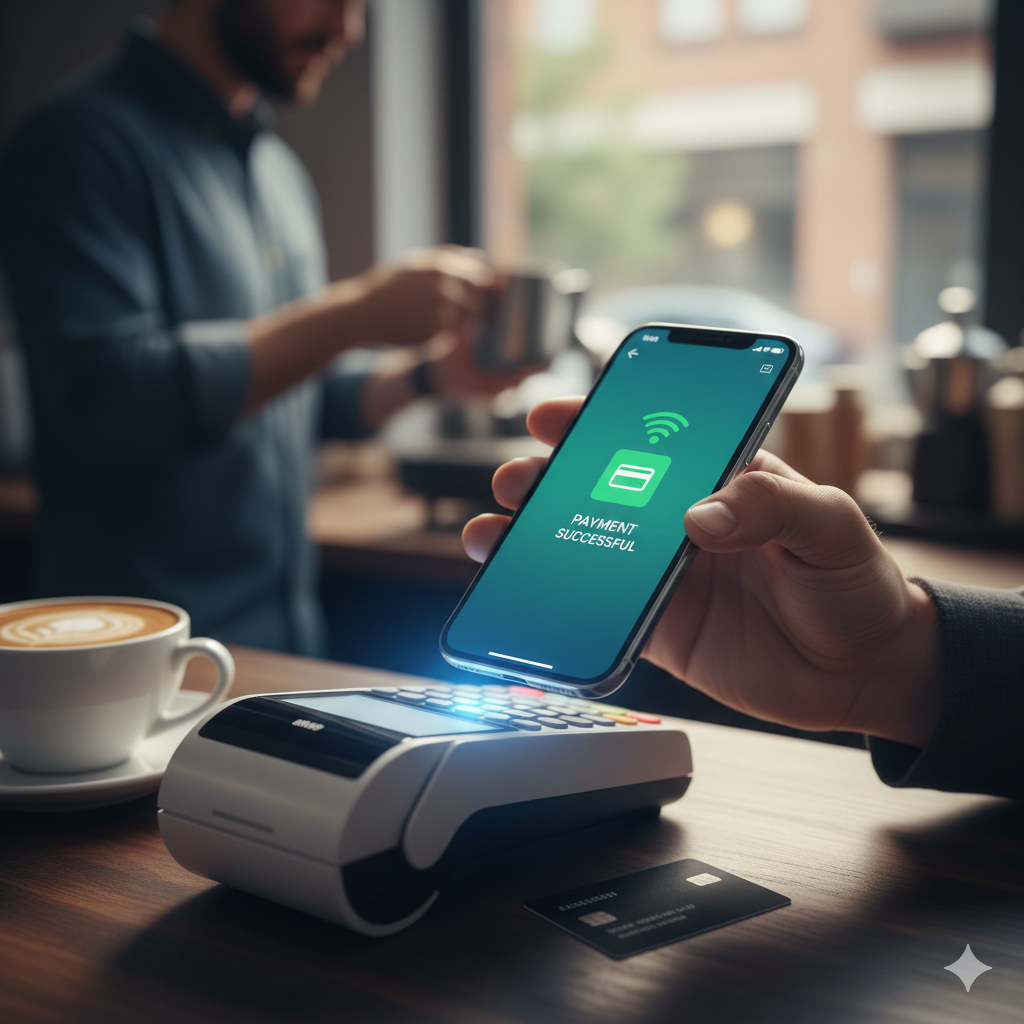
When you use a digital wallet, the merchant never actually sees your credit card number. Instead, the system uses “Tokenization”—it sends a one-time-use code. This makes traditional skimming and digital intercepting impossible.
The “Credit Freeze” Strategy
If you aren’t planning on applying for a new loan or card in the near future, you should “Freeze” your credit files at all three bureaus. This prevents anyone (including scammers) from opening a new line of credit in your name, even if they have your Social Security Number.
Protecting Your Identity: The Link Between Fraud and Identity Theft
Credit card fraud is often just the tip of the iceberg. Frequently, the data used to commit fraud was obtained during a larger data breach.
Dark Web Monitoring
Many premium credit cards and insurance products now offer free Dark Web monitoring. They scan underground forums for your email address, passwords, or card numbers. If a match is found, you are alerted to change your information before a fraudulent charge even occurs.
Public Wi-Fi Dangers
Never log into your bank account or enter credit card details while on public Wi-Fi (like at an airport or cafe) without a VPN (Virtual Private Network). Hackers can perform “Man-in-the-Middle” attacks to intercept your data as it travels through the air.
Legal Protections and Consumer Rights for Fraud Victims
Knowledge of the law empowers you when dealing with banks. In the United States, two major laws protect you:
-
Fair Credit Billing Act (FCBA): This law protects you from “billing errors,” which include unauthorized charges. It limits your liability to $50 and gives you the right to withhold payment for the disputed amount while the bank investigates.
-
Electronic Fund Transfer Act (EFTA): This applies specifically to Debit Cards. Note that EFTA protections are weaker than credit card protections. If you wait too long to report debit card fraud, you could be liable for the entire lost amount. This is why experts always recommend using credit cards instead of debit cards for online and daily purchases.
Building a Proactive Financial Shield
Identifying credit card fraud is no longer about checking a paper statement once a month. It is about integrating security into your daily digital life. By setting up real-time alerts, using virtual cards, and understanding the tactics used by modern scammers, you can enjoy the benefits of credit without the constant anxiety of theft.
Stay vigilant, audit your accounts weekly, and remember that your bank is your partner in this fight. The faster you act, the safer your wealth remains.