Why do people spend money to feel better?

We have all been there. After a grueling day at the office, an argument with a loved one, or a week that simply felt like an uphill battle, the beckoning call of an online store or a walk through the mall feels like the only cure. You see something you like, you buy it, and for a fleeting moment, the world feels right again.
This phenomenon is colloquially known as “Retail Therapy.” But why does spending money have such a profound impact on our mood? Is it just a lack of willpower, or is there something deeper happening within our brain chemistry?
In this deep dive, we explore the psychological, biological, and social reasons why humans use spending as an emotional crutch, and how you can reclaim control over your financial health.
1. The Dopamine Rush: The Biology of the “Buying High”
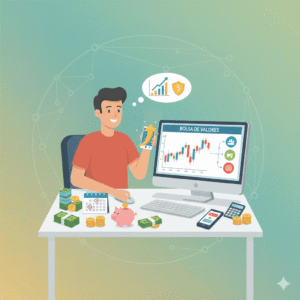
At its core, emotional spending is a chemical process. When you anticipate a purchase, your brain’s reward center releases dopamine. Interestingly, researchers have found that the highest levels of dopamine are released before the purchase is actually made.
The act of browsing, comparing, and eventually choosing an item provides a sense of excitement and novelty. For a brain that is feeling “low” due to stress or sadness, this surge of dopamine acts as a temporary antidepressant.
The Problem with the “Dopamine Loop”
The issue is that dopamine is about pursuit, not satisfaction. Once the item is in your bag and you’ve left the store, the levels drop. This often leads to “Buyer’s Remorse,” where the temporary high is replaced by the cold reality of a smaller bank account balance.
2. Restoring a Sense of Control in a Chaotic World
Psychologists believe that one of the primary reasons people spend when they are stressed is to regain a sense of agency.
Life is often unpredictable. You cannot control your boss’s mood, the traffic, or global events. However, you can control what you buy. Making a choice—even a small one like picking out a new candle or a pair of sneakers—provides a psychological “win.” It reinforces the idea that you are the master of your environment, which temporarily eases anxiety.
3. Compensatory Consumption: Buying the Person You Want to Be
Have you ever bought expensive gym gear when you were feeling out of shape, or a high-end journal when you felt disorganized? This is called Compensatory Consumption.
We often use products to “fill the gaps” in our self-esteem. If we feel inadequate in a certain area of our lives, we buy items that symbolize the success we crave.
-
The Loan Trap: This is often where high-interest personal loans or credit card debt starts. People borrow money to maintain a lifestyle that projects success, even when their internal reality feels like a failure.
-
Identity Signaling: We use brands to tell the world (and ourselves) who we are.
4. The “Diderot Effect” and the Spiral of Spending
Named after the French philosopher Denis Diderot, this concept explains how one purchase leads to another, creating a spiral of consumption.
Diderot was gifted a beautiful scarlet robe. However, his old furniture suddenly looked “shabby” next to the elegance of the robe. He began replacing his chair, then his desk, then his rugs, until he was in debt.
How it affects you today:
-
You buy a new smartphone.
-
Suddenly, you “need” the matching case, the wireless earbuds, and the latest smartwatch.
-
Each subsequent purchase is an attempt to maintain a “cohesive” identity, often triggered by the initial emotional buy.
5. How Marketing Tactics Exploit Your Emotions
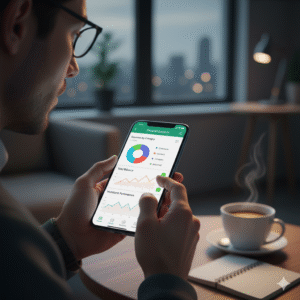
Corporations spend billions of dollars every year studying your brain. They know exactly how to trigger an emotional response to get you to open your wallet.
Scarcity and Urgency
Phrases like “Limited Time Offer” or “Only 2 Left in Stock” trigger a “Fear of Missing Out” (FOMO). This bypasses the rational part of your brain and activates your “fight or flight” response. You aren’t buying a product; you are “saving” yourself from the pain of losing an opportunity.
The “Lifestyle” Promise
Modern advertising rarely sells a product’s features. Instead, it sells a feeling. An insurance company doesn’t just sell a policy; it sells “peace of mind.” A credit card company doesn’t sell a 19% APR; it sells “adventure and freedom.” When we are feeling trapped or worried, these emotional promises are incredibly hard to resist.
6. The Frictionless Payment Trap: Credit Cards and Digital Wallets
The “pain of paying” is a real psychological phenomenon. Physically handing over $100 in cash hurts because you can see the resource leaving your hand.
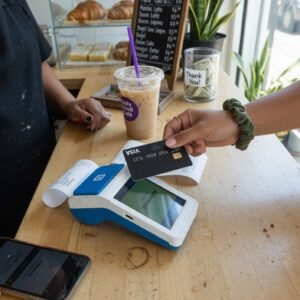
However, digital payments, credit cards, and “Buy Now, Pay Later” (BNPL) services have removed this friction.
-
Credit Cards: Detach the pleasure of the purchase from the pain of the cost.
-
Mobile Wallets: Make spending so fast that the rational brain doesn’t have time to intervene.
By the time the credit card statement arrives 30 days later, the emotional “high” is long gone, but the financial “hangover” is just beginning.
7. The Role of Social Media and Peer Comparison
In the past, we compared ourselves to our neighbors. Today, we compare our behind-the-scenes lives to the “highlight reels” of millions of people on Instagram and TikTok.
This creates a constant state of Relative Deprivation. Even if you have a great life, seeing someone else with a newer car or a more expensive vacation makes you feel “less than.” We spend money to “level up” to a standard that isn’t even real, often using high-interest credit to bridge the gap between our income and our aspirations.
8. Identifying Your “Spending Triggers”
To break the cycle, you must first understand what pushes your buttons. Most emotional spenders fall into one of these categories:
-
The Stress Spender: Buys things to “decompress” after work.
-
The Boredom Spender: Scrolls through shopping apps because they have nothing else to do.
-
The Social Spender: Feels the need to keep up with friends or celebrate excessively.
-
The “Reward” Spender: Believes they “deserve” a treat because they worked hard, regardless of their budget.
9. Practical Strategies to Stop Emotional Spending
If you want to protect your investments and build long-term wealth, you must implement “circuit breakers” in your spending habits.
| Strategy | How it Works |
| The 72-Hour Rule | Wait 3 days before any non-essential purchase. Most emotional urges fade within 24-48 hours. |
| Unsubscribe & Unfollow | Remove the temptation by cleaning out your inbox and social media feed from brands. |
| Calculate in “Hours Worked” | Instead of seeing $200, see it as “10 hours of my life at the office.” Is it still worth it? |
| Cash-Only Weeks | Use physical cash for “fun money.” Once it’s gone, the spending stops. |
10. Building a “Happiness Portfolio” That Doesn’t Cost Money
The goal isn’t to stop being happy; it’s to stop relying on consumption for happiness. Building wealth is actually a form of long-term “Retail Therapy.”
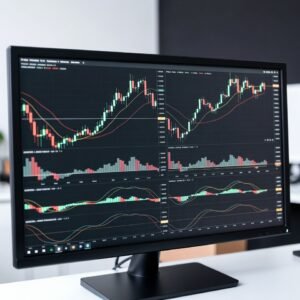
Instead of the 30-minute high of a new shirt, consider the 30-year high of Financial Independence. When you see your investment account grow or your debt disappear, your brain also releases dopamine—but this type of dopamine comes with the added benefit of security and freedom.
Healthy Alternatives to Spending:
-
Exercise: Releases endorphins and dopamine naturally.
-
Skill Building: Learning a new language or hobby provides a sense of mastery and control.
-
Connection: Spending time with friends (without going shopping) fulfills the social need that we often try to buy.
11. The Path to Mindful Finance
Spending money to feel better is a human instinct, but it is a “leaky bucket” strategy for happiness. You can never buy enough to satisfy an emotional hunger.
By understanding the psychology behind your habits, you can stop being a victim of marketing and your own brain chemistry. Start treating your money as a tool for your future self, rather than a band-aid for your current self. True wealth isn’t about the things you own—it’s about the peace of mind you have when you no longer need “stuff” to feel okay.