Learn how to protect yourself from crypto fraud
The digital asset landscape has transformed significantly over the last decade. As we move through 2026, cryptocurrency is no longer a niche hobby for tech enthusiasts; it is a pillar of the modern financial system. However, with this massive adoption comes a sophisticated and growing shadow industry: crypto fraud.
In 2025 alone, illicit cryptocurrency addresses received a staggering $154 billion, marking a 162% increase from previous years. From AI-driven deepfakes to the infamous $1.5 billion Bybit exploit, the stakes have never been higher. If you are an investor, understanding how to navigate this “Wild West” of finance is not just an advantage—it is a necessity for your financial survival.
This guide breaks down everything you need to know about protecting your digital wealth, using clear language for beginners while implementing the advanced security protocols used by professionals.
Why Crypto Scams are Rising in 2026

To protect yourself, you must first understand why cryptocurrency is such an attractive target for criminals. Unlike traditional banking, where a fraudulent credit card charge can often be reversed with a single phone call, crypto transactions are immutable. Once you hit “send,” that money is gone unless the recipient decides to send it back.
Furthermore, the pseudo-anonymous nature of blockchain technology allows scammers to move funds across borders in seconds, often through “mixers” or decentralized exchanges that make tracking nearly impossible for the average person. In 2026, we are also seeing a professionalization of cybercrime, where state-backed actors and organized syndicates use advanced AI to automate their attacks.
The Rise of AI and Deepfake Fraud: The New Frontier
The most significant shift in the 2026 fraud landscape is the use of Artificial Intelligence (AI). Scammers are no longer just sending poorly written emails; they are using high-tech tools to manipulate your senses.
1. Deepfake Video and Voice Cloning
Imagine receiving a video call from the CEO of a major exchange or a famous crypto influencer like Vitalik Buterin, inviting you to a “exclusive liquidity pool” with 50% returns. The voice sounds right, the face moves naturally, and the background looks professional. These are Deepfakes.
In 2025, identity fraud attempts using deepfakes surged by 3,000%. Scammers only need a few seconds of audio from a YouTube video to clone someone’s voice perfectly.
-
The Defense: Never trust unsolicited video or voice calls regarding financial opportunities. Always verify through a second, independent channel (like an official support ticket on the company’s website).
2. AI-Powered Phishing Bots
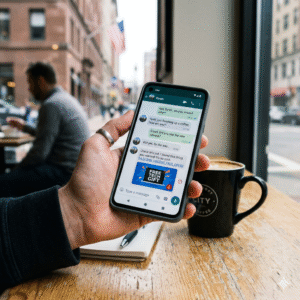
Traditional phishing involved mass-mailing thousands of people. Today, AI bots can engage in personalized, one-on-one conversations on Telegram, Discord, or WhatsApp. These bots are programmed to be empathetic, patient, and incredibly convincing, slowly building trust before asking for your private keys.
Common Crypto Scams to Watch Out For
While the technology evolves, the psychological triggers remains the same: fear (FOMO) and greed. Here are the most prevalent scams today:
The “Pig Butchering” (Romance/Investment) Scam
The term comes from the idea of “fattening up” a victim before the slaughter. A scammer contacts you—often “by mistake”—on social media. They spend weeks or months becoming your friend or romantic interest. Eventually, they mention how much money they are making on a specific crypto platform. They guide you to a fake website that looks like a legitimate trading app. You see your “profits” grow, but when you try to withdraw, the platform demands “taxes” or “fees” before locking you out forever.
Rug Pulls in DeFi
Decentralized Finance (DeFi) offers incredible opportunities, but it’s also the home of the “Rug Pull.” Developers create a new token, hype it up on social media to drive the price high, and then suddenly drain all the liquidity from the pool, leaving investors with worthless “dust.”
Bitcoin ATM Fraud
In 2025, Americans lost over $333 million to Bitcoin ATM scams. This usually involves a scammer impersonating a government official (like the IRS or FBI) or a utility company. They claim you owe money or that your accounts are “compromised” and instruct you to withdraw cash and deposit it into a specific Bitcoin ATM to “secure” it.
Important Note: No legitimate government agency or business will ever ask you to pay them via a Bitcoin ATM.
Red Flags: How to Spot a Scam Before It Happens

The best defense is a sharp eye. If you encounter any of the following, stop immediately:
-
Guaranteed Returns: In the world of investing, there is no such thing as a “guarantee.” If a platform promises 1% daily profit or “risk-free” 100% annual returns, it is a Ponzi scheme.
-
Urgency and Secrecy: Scammers want you to act fast so you don’t have time to think. They might say, “This offer expires in 10 minutes,” or “Don’t tell your family yet, it’s a surprise.”
-
Requests for Your “Seed Phrase”: Your seed phrase (the 12 or 24 words that back up your wallet) is your master key. No legitimate exchange, support agent, or developer will ever ask for it. If they do, they are 100% a scammer.
-
Unsolicited “Air Drops”: You might see a random token appear in your wallet. If you try to swap it, the smart contract might be designed to drain your entire wallet. Never interact with tokens you didn’t buy or earn from a verified source.
Advanced Security Protocols for the Modern Investor
If you want to keep your crypto safe in 2026, you must move beyond basic passwords. Here is the professional “Gold Standard” for security:
1. The Power of Hardware Wallets (Cold Storage)
Keeping your money on an exchange (like Coinbase or Binance) means you don’t actually own your keys—the exchange does. If they get hacked or go bankrupt, your money is at risk.
Invest in a Hardware Wallet (also called Cold Storage). Devices like the Trezor Safe 5, Ledger Flex, or Tangem store your private keys offline, making them immune to online hacking.
-
Pro Tip: Always buy your hardware wallet directly from the manufacturer. Never buy one from Amazon or eBay, as it could be tampered with.
2. Implement Multi-Signature (Multi-Sig) Wallets
For larger amounts of capital, a single hardware wallet is a “single point of failure.” Multi-sig wallets require two or more private keys to authorize a transaction. For example, you could have one key on your hardware wallet, one on your laptop, and one stored in a safe-deposit box. A hacker would need to steal two of the three to move your funds.
3. Use Hardware Security Keys (YubiKey)
SMS-based two-factor authentication (2FA) is vulnerable to “SIM swapping,” where a hacker takes over your phone number. Instead, use a physical security key like a YubiKey. This is a USB device that you must physically tap to log into your accounts. Without that physical key, a hacker cannot get in—even if they have your password.
The Psychology of a Scam: Why Even Smart People Get Fooled
Many victims of crypto fraud are highly educated professionals—doctors, lawyers, and engineers. Scammers use Social Engineering to bypass your logical brain. They exploit:
-
Reciprocity: They give you a “free gift” or “valuable tip” to make you feel obligated to follow their advice.
-
Authority: They pretend to be someone important (a CEO, a lawyer, a government agent).
-
Social Proof: They use bot accounts to leave hundreds of fake comments on a post saying, “This actually works! I just made $5,000!”
By understanding these triggers, you can build a “Zero Trust” mindset. In crypto, “Don’t Trust, Verify” is the motto you must live by.
Recovery Scams: The Dangerous “Second Wave”
If you have already been scammed, you are at risk for a Recovery Scam. Your name and contact info are likely on a “sucker list” shared among criminals.
A “recovery expert” or “white-hat hacker” will contact you, claiming they can track your lost Bitcoin and get it back for a fee.
-
The Reality: These people are just scammers taking a second bite of the apple. Once crypto is moved on the blockchain, only the person holding the private keys can move it back. Law enforcement can sometimes freeze assets on centralized exchanges, but they will never ask you for an upfront fee to do so.
What to Do if You’ve Been Scammed

If the worst happens, you must act fast to prevent further loss:
-
Disconnect Everything: If you used a web wallet (like MetaMask), immediately disconnect it from all sites and move any remaining funds to a new, clean wallet.
-
Document the Evidence: Take screenshots of all chats, the scammer’s wallet address, and the transaction IDs (TXIDs).
-
Report to Authorities: In the United States, report the crime to the FBI’s Internet Crime Complaint Center (IC3.gov) and the FTC. While recovery is rare, reporting helps authorities track down the infrastructure scammers use.
-
Contact the Exchange: If you sent money from a centralized exchange (like Kraken or Coinbase) to a scammer, notify the exchange’s security team. They may be able to flag the address or help law enforcement.
Protecting Your Digital Legacy
Finally, consider what happens to your crypto if you are no longer here. Unlike a bank account, your family cannot just show a death certificate to a blockchain.
-
Inheritance Planning: Use a “Dead Man’s Switch” or a secure physical backup of your seed phrases that your heirs can access. Ensure they know how to use the technology, or they might lose the funds to a scammer while trying to figure out how to withdraw them.
Frequently Asked Questions (FAQ)
Is it safe to keep my crypto on an exchange?
While major exchanges have improved security, they are still “custodial.” This means if the exchange is compromised, your assets are too. For long-term savings, use a hardware wallet.
Can antivirus software protect my crypto?
Yes, but it’s only one layer. Advanced antivirus (like Norton 360 or Bitdefender) can block phishing sites and “clipper” malware that changes wallet addresses when you copy-paste them. However, it cannot stop you from manually sending money to a scammer.
What is the safest wallet in 2026?
Hardware wallets with “Air-Gapped” technology (which never connect directly to a computer via USB) are considered the most secure. Options like the OneKey Pro or Keystone use QR codes to communicate, providing an extra layer of isolation.
Staying One Step Ahead

The world of cryptocurrency offers unparalleled financial freedom, but it demands unparalleled personal responsibility. As scammers utilize AI and sophisticated social engineering, your greatest tool is not a piece of software—it is your skepticism.
Keep your software updated, use hardware wallets, never share your seed phrase, and always verify before you click. In the 2026 digital economy, being “paranoid” is simply another word for being “secure.”