How to use a credit card without getting into debt
Credit cards are often portrayed as the villains of the personal finance world. We’ve all heard the horror stories: the mountain of high-interest debt, the aggressive collection calls, and the ruined credit scores. But here is the truth that the most financially successful people know: a credit card is not a trap—it is a tool. When used correctly, it is a tool that provides security, rewards, and a pathway to a better financial life.
The problem isn’t the plastic; it’s the lack of a strategy. Most people treat a credit line as an extension of their income rather than a method of payment. In this comprehensive guide, we are going to break down exactly how to use a credit card like a pro, ensuring you reap every benefit while never paying a single cent in interest.
The Psychological Shift: Treat Your Credit Card Like a Debit Card
The first and most important step to staying out of debt is a mental one. You must stop seeing your “Credit Limit” as money you have. If you have $500 in your bank account and a $5,000 credit limit, you do not have $5,500. You have $500.
The “Available Cash” Rule
Before you swipe your card for any purchase—whether it’s a $5 latte or a $500 television—ask yourself: “Do I have the cash in my checking account to pay for this right now?” If the answer is no, do not use the card. By following this rule, you ensure that you are only using the credit card as a medium of exchange, not as a loan.
Why This Works
The reason people fall into debt is “frictionless spending.” It’s much easier to swipe a piece of plastic for a purchase than it is to hand over physical cash. By tethering your credit card use to your actual bank balance, you maintain the “pain of paying,” which naturally curbs impulse spending.
Strategic Budgeting: Using “The Envelope System” in a Digital World
To use a credit card without debt, you need a rock-solid budget. One of the best ways to manage this is through a modern version of the “Envelope System.”
Assigning Every Dollar a Job
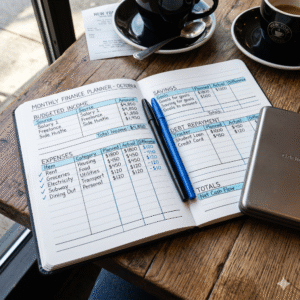
When you receive your paycheck, assign your money to categories: Rent, Groceries, Utilities, and Entertainment. When you go to the grocery store, you use your credit card for the rewards. However, you must immediately subtract that amount from your “Grocery” budget.
Use Technology to Your Advantage
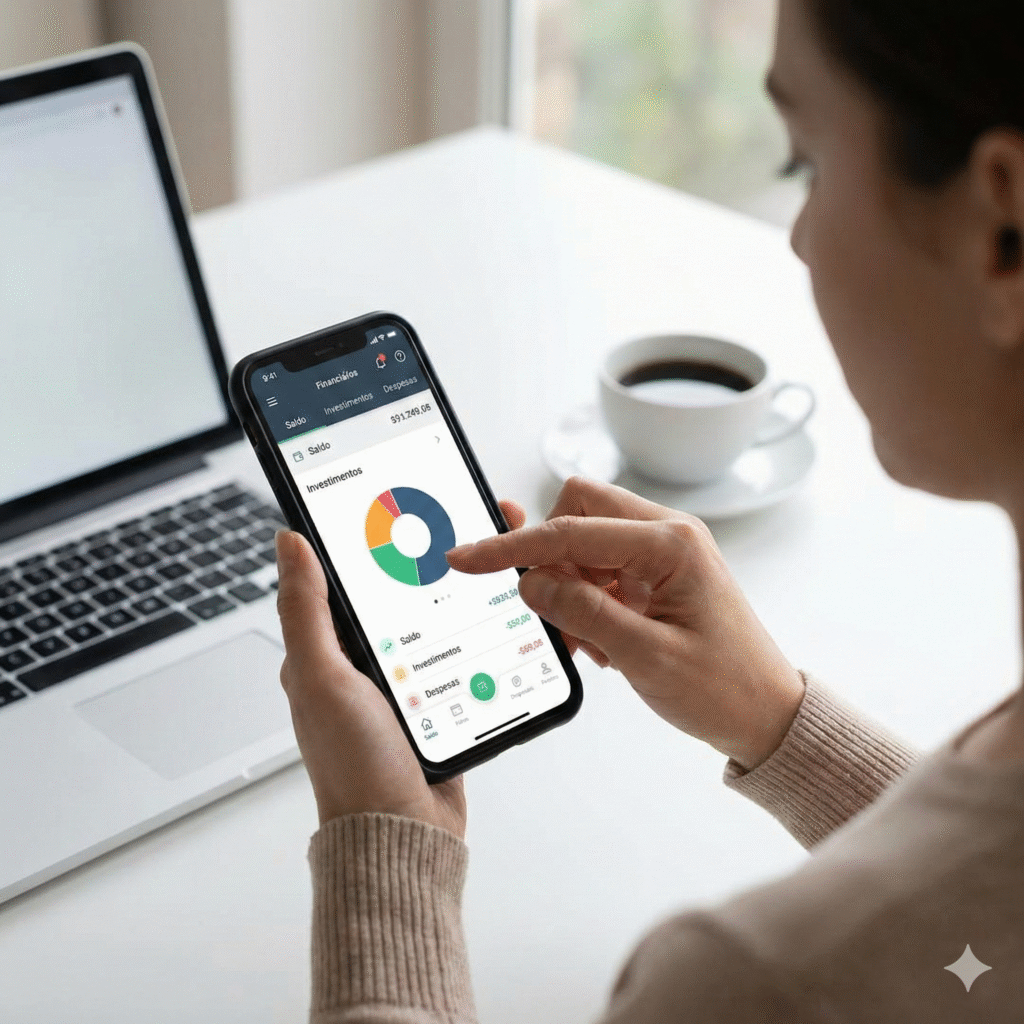
There are dozens of apps (like YNAB or Mint) that sync with your credit card and bank account. They show you in real-time that even though you haven’t “paid” the credit card bill yet, that money is already “gone” from your budget. This transparency is the ultimate defense against overspending.
Mastering the Billing Cycle: Statement Dates vs. Due Dates
If you want to avoid debt and interest, you must understand the calendar of your credit card. Many people get confused by the different dates, and that confusion leads to late fees.
The Statement Closing Date
This is the day the “window” for that month’s spending closes. The bank totals up everything you bought and creates your bill. This is also the balance that is reported to the credit bureaus.
The Due Date
This is the day you must pay the bill. Usually, the due date is about 21 to 25 days after the statement closing date. This period is known as the Grace Period.
The Golden Rule of the Grace Period
As long as you pay your Statement Balance in full by the Due Date, the bank cannot charge you interest on your purchases. You are effectively getting an interest-free loan for nearly a month while earning points or cash back. This is how you win the game.
Never Pay the “Minimum Amount”: The Trap of Compound Interest
Credit card companies are required by law to show a “Minimum Payment” on your statement. This is usually a tiny amount—perhaps $25 or 2% of your balance.
The Math of the Minimum Payment
If you have a $5,000 balance at 20% interest and only pay the minimum, it will take you nearly 20 years to pay off that debt, and you will end up paying over $10,000 in interest alone.
The Only Number That Matters
Ignore the “Minimum Payment” line. The only number you should care about is the “Statement Balance.” Paying this in full every month is the only way to ensure you are using the card for free. If you cannot pay the full statement balance, you are officially living beyond your means, and it’s time to stop using the card until you catch up.
Set Up “Safety Nets” with Automation
Human error is one of the biggest causes of credit card debt. We get busy, we forget a due date, and suddenly we are hit with a $40 late fee and an interest charge.
The Autopay Solution
Every credit card issuer allows you to set up Autopay. You should set your account to automatically pay the Statement Balance on the Due Date.
-
Pro Tip: If you are nervous about having enough money in your account at the end of the month, set your Autopay to the “Minimum Payment” as a fallback. Then, manually pay the rest of the balance a few days early. This ensures you are never “late,” even if you forget to do the manual payment.
Real-Time Alerts
Enable push notifications on your phone for every transaction. This does two things:
-
It alerts you immediately if there is a fraudulent charge.
-
It provides a “micro-reminder” of how much you are spending throughout the day.
Using “Micro-Payments” to Keep Your Score High
For those who want to be extra cautious, the “once a month” payment schedule might feel too risky. Instead, try weekly payments.
The “Friday Routine”
Every Friday, log into your credit card app and pay off whatever you spent that week.
-
The Benefit: Your bank account balance will always be accurate.
-
The SEO Advantage: This keeps your “Credit Utilization” extremely low. When the statement closes, your balance is small, which tells the credit bureaus you are an incredibly safe borrower, causing your credit score to skyrocket.
Avoiding the “Rewards Trap”: Don’t Spend More to Get More
Credit card rewards (1.5% cash back, airline miles, etc.) are a great perk, but they are also a psychological lure.
Don’t Chase the Points
If you spend $100 just to get 2% cash back, you haven’t “earned” $2; you have spent $98. Only use the card for things you were already going to buy (utilities, gas, groceries). If you find yourself buying extra items just to hit a “spending requirement” for a sign-up bonus, you are falling into the bank’s trap.
When to Put the Card Away: Identifying Red Flags

Part of using a credit card responsibly is knowing when to stop. If you notice any of the following, it’s time to switch back to cash or debit for a while:
-
You are checking your credit limit to see if you can afford a dinner out.
-
You are unable to pay the full statement balance for two months in a row.
-
You are using one credit card to pay off another.
-
You feel a sense of anxiety when the statement email arrives.
Control the Plastic, Don’t Let it Control You
A credit card is a financial mirror. It reflects your habits, your discipline, and your goals. By treating it like a debit card, automating your payments, and staying within your budget, you can enjoy the “free money” of rewards and the “safety net” of a high credit score without ever falling into the debt trap.
Mastering your credit card is a major milestone on the road to financial independence. It shows that you have the discipline to handle the tools of the modern economy. Stay focused, stay within your means, and let the bank pay you for a change.