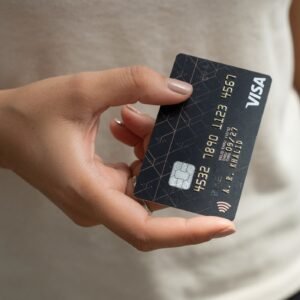
Is Cash Still King? The Future of Money Explained
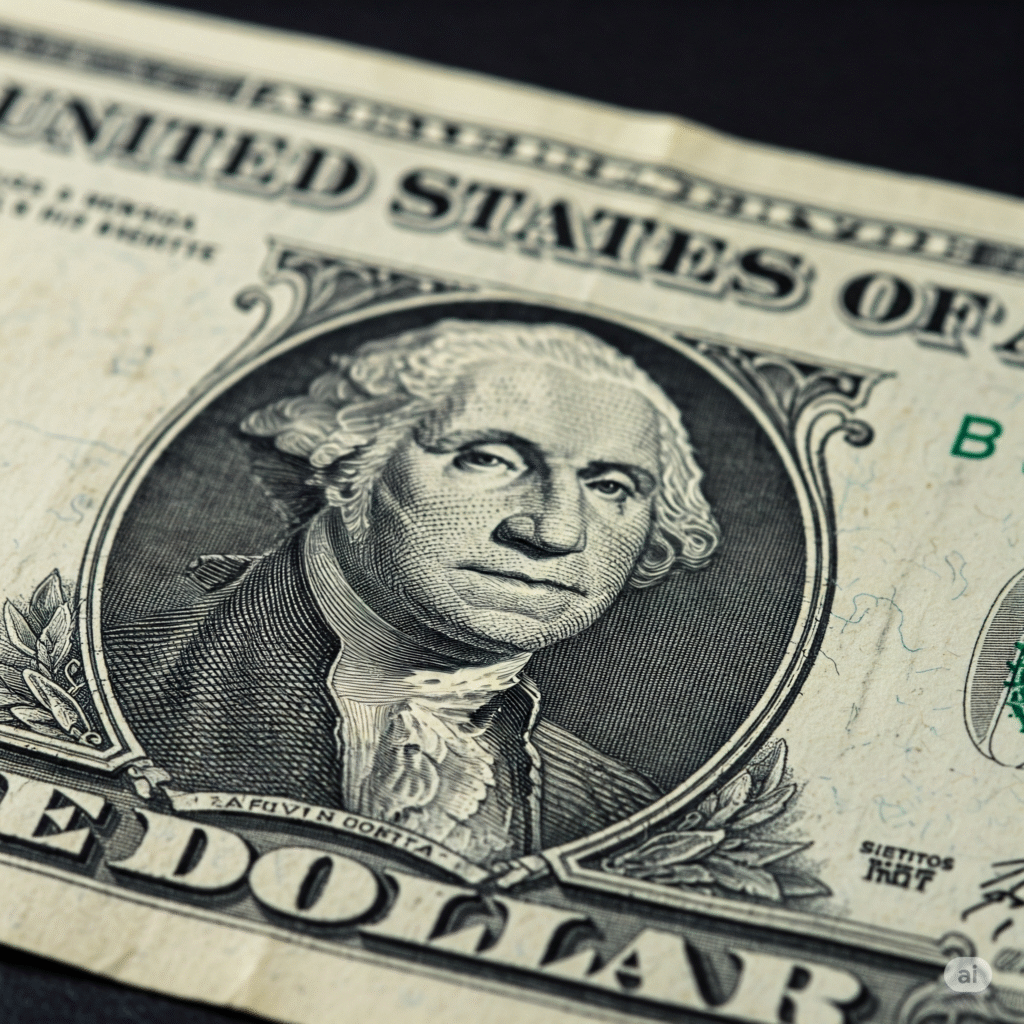
For decades, the phrase “Cash is King” was the undisputed mantra of the financial world. It represented liquidity, privacy, and the ultimate form of trust. If you had a hundred-dollar bill in your pocket, you had a universal tool that worked everywhere, from the local grocery store to a roadside diner in the middle of nowhere.
However, as we navigate through 2026, that crown is looking a bit tarnished. In a world of biometrics, instant digital transfers, and decentralized currencies, physical paper money is no longer the default. We are witnessing a fundamental shift in how humanity perceives, stores, and spends value.
Is cash still king, or has it been relegated to a secondary role in a digital-first empire? In this comprehensive guide, we will explore the evolution of currency, the rise of the cashless society, and what the future of money means for your personal finances.
The Evolution of Currency: From Physical Gold to Digital Pixels

To understand the future, we must look at the past. Money has always been a “technology” used to solve the problem of barter. It began with commodities like salt and shells, moved to precious metals, and eventually evolved into Fiat Currency—paper money backed by the “full faith and credit” of a government.
The transition we are seeing today is simply the next step in this evolution. We are moving from Physical Fiat to Digital Fiat.
-
1950s: The first credit cards introduced the idea that you didn’t need paper to spend money.
-
1990s: The internet gave birth to online banking and PayPal.
-
2010s: Mobile wallets like Apple Pay and Google Pay turned our smartphones into digital vaults.
-
2026: Contactless payments are now the global standard, and the “invisible payment” (where you simply walk out of a store and are charged automatically) is becoming common.
The “King” isn’t necessarily dying; he is just changing his clothes. Value is becoming intangible, moving at the speed of light across fiber-optic cables rather than being carried in a leather wallet.
Why Cash Was Crowned King (And Why It’s Losing Its Power)
Cash earned its title for three primary reasons: Universality, Privacy, and Instant Settlement.
1. Universality
Until recently, cash was the only form of payment that was “legal tender for all debts, public and private.” You didn’t need a Wi-Fi connection or a battery-powered device to buy a loaf of bread.
2. Privacy
When you buy something with cash, there is no digital trail. No algorithm knows what you bought, where you bought it, or how much you spent. In an era of mass data collection, this privacy is a luxury that digital payments cannot provide.
3. Instant Settlement
With cash, there is no “pending” status. The moment the bill changes hands, the transaction is finished.
So, why is it abdicating the throne?
The answer is friction. Cash is heavy. It can be lost or stolen. It requires physical transport and expensive security. For businesses, handling cash is a liability. In 2026, the efficiency of a 1-second tap-to-pay transaction outweighs the “privacy” of a paper bill for 90% of the population.
Digital Wallets and the Convenience Revolution: The Death of the Physical Wallet
If you look at the habits of Gen Z and Gen Alpha, the physical wallet is becoming an artifact. Digital wallets have moved beyond just storing credit card numbers; they now hold driver’s licenses, insurance cards, and concert tickets.
The Rise of Biometric Payments
We have moved past PIN codes. In 2026, your “signature” is your face, your thumbprint, or even the unique rhythm of your heartbeat. This level of security is something a physical 20-dollar bill can never match. If you lose your phone, your digital money is encrypted and protected. If you lose your wallet, that cash is gone forever.
The “Frictionless” Economy
The primary driver of the digital shift is the removal of friction. Subscription models, “Buy Now, Pay Later” (BNPL) integrations, and one-click checkouts have made spending money so easy that we often don’t even realize we’re doing it. While this is great for convenience, it presents a new challenge for financial education: when money is invisible, it’s much harder to track.
The Rise of a Cashless Society: Pros and Cons You Need to Know

A “Cashless Society” is no longer a science fiction concept; it is a reality in countries like Sweden and parts of China. But is this transition entirely positive? Let’s weigh the balance.
The Pros:
-
Transparency and Reduced Crime: It is much harder to launder money or hide “under-the-table” payments when every cent leaves a digital footprint.
-
Cost Efficiency: Governments spend billions every year printing, transporting, and destroying physical currency. A digital system is significantly cheaper to maintain.
-
Better Budgeting Tools: Digital transactions can be automatically categorized by AI, giving you a real-time view of your spending habits.
The Cons:
-
The “Digital Divide”: What happens to the elderly, the homeless, or those in rural areas with poor internet? A cashless society risks “de-banking” the most vulnerable members of the population.
-
Systemic Fragility: If a solar flare or a cyberattack takes down the power grid for three days, a cashless society cannot buy food. Cash is the ultimate “analog” backup.
-
Surveillance: In a fully digital economy, the government or private corporations have a record of every single purchase you make. This “financial panopticon” is a significant concern for civil liberties.
Cryptocurrencies and Decentralized Finance (DeFi): A Real Threat to Cash?
We cannot talk about the future of money without mentioning Bitcoin and the broader world of Decentralized Finance (DeFi).
When Bitcoin arrived in 2009, it was proposed as a “Peer-to-Peer Electronic Cash System.” While Bitcoin itself has evolved more into “Digital Gold” (a store of value), the underlying technology—Blockchain—is the foundation of the future of money.
Why Crypto Matters in 2026:
-
Stablecoins: These are digital assets pegged to the value of the dollar. They offer the speed of crypto with the stability of fiat.
-
Decentralization: DeFi allows people to take out loans, earn interest, and trade assets without a traditional bank.
-
Programmable Money: Imagine a “Smart Contract” loan that automatically pauses your payments if you lose your job. This is the level of sophistication that physical cash simply cannot compete with.
CBDCs Explained: The Government’s Digital Answer to the Future of Money
Governments aren’t sitting idly by while Bitcoin and Apple Pay take over. Many central banks are now developing their own Central Bank Digital Currencies (CBDCs).
What is a CBDC?
Think of it as a “Digital Dollar” issued directly by the Federal Reserve. Unlike the money in your Chase or Bank of America account (which is a private liability of that bank), a CBDC is a direct liability of the government.
Why CBDCs Change Everything:
-
Instant Stimulus: During a crisis, the government could send money directly to your digital wallet in seconds—no checks in the mail, no waiting for banks to process.
-
Programmable Policy: Some fear that CBDCs could be “programmed” to expire if not spent by a certain date to stimulate the economy, or restricted so they can’t be spent on certain items.
-
Direct Competition: CBDCs could eventually make traditional bank accounts obsolete for everyday transactions, forcing banks to completely rethink how they offer loans and services.
Privacy vs. Convenience: The Ultimate Trade-off in the Digital Age
The debate over the future of money usually boils down to one question: How much of your privacy are you willing to trade for 3 seconds of convenience?
In the “Cash is King” era, your financial life was your own business. In 2026, your financial life is a “data set.”
-
The Convenience: You don’t have to carry a wallet, you get 5% cashback on your digital purchases, and you can split a dinner bill with friends via a text message.
-
The Privacy Cost: Your bank knows you have a health problem before you tell your family (because of your pharmacy purchases). Your insurance company knows you eat too much fast food. Your credit score is calculated using “Alternative Data” like how often you pay your phone bill on time.
As we move toward 2030, the “privacy-conscious” individual may become a niche market, using physical cash or privacy-focused cryptocurrencies like Monero as a form of “financial protest.”
Financial Inclusion: Why a Cashless World Could Leave People Behind
One of the most significant risks of the death of cash is the impact on the “Unbanked.” Millions of people globally do not have access to a traditional bank account due to a lack of documentation, low income, or geographical isolation.
If a city’s transit system or a grocery store stops accepting cash, these people are effectively locked out of society.
-
The 2026 Solution: Many cities are passing “Cash Acceptance Laws” that mandate businesses must accept physical currency to ensure inclusion.
-
Digital Identity: To make a cashless world work, we need a universal “Digital ID” that allows everyone, regardless of their background, to access the financial system.
Is Your Emergency Fund Still “Cash”? Redefining Liquid Assets

From a financial education perspective, the definition of “cash” has changed for your portfolio. When we tell you to keep “3 to 6 months of cash” in an emergency fund, we don’t mean literal stacks of $100 bills under your mattress.
In 2026, Liquidity is the new Cash.
-
High-Yield Savings Accounts (HYSA): These are still the gold standard for your emergency fund, offering immediate access to digital funds.
-
Money Market Funds: Offering slightly higher yields while remaining liquid.
-
Stablecoins: For the tech-savvy, keeping a portion of an emergency fund in audited USD-pegged stablecoins (like USDC) can provide global liquidity that isn’t tied to a single bank’s operational hours.
Warning: Physical cash in your home is still a vital part of an emergency plan (in case of power outages), but it should only represent a small fraction of your total liquidity.
The Role of Loans in a Digital-First World
As money becomes purely digital, the way we take out loans is also transforming.
-
Instant Underwriting: In 2026, you can apply for a personal loan and have the funds in your digital wallet in less than five minutes. The lender’s AI scans your digital transaction history to verify your income instantly.
-
Micro-Lending: Digital money allows for “Micro-loans” of $5 or $10, something that was physically impossible with paper currency.
-
Smart Collateral: You can now take out a loan using your digital assets (like Bitcoin or even a tokenized piece of real estate) as collateral without ever talking to a loan officer.
The New Reign—A Hybrid Financial World
So, is cash still king?
The answer is No, but it isn’t dead. Cash has been “demoted” from the King to the Emergency Backup.
In 2026, the real “King” of the financial world is Data-Driven Liquidity. The future of money is a hybrid world where physical cash exists as a tool for privacy and emergency resilience, while digital pixels handle 99% of our daily lives.
As a consumer and a borrower, your goal shouldn’t be to avoid the digital shift, but to master it. Use the convenience of digital wallets to track your spending, utilize the security of blockchain to protect your assets, but always keep enough physical “King” in your safe to weather the storms when the lights go out.
The future of money is faster, smarter, and more integrated into our lives than ever before. Those who understand the “new rules” of this digital reign will be the ones who achieve true financial freedom in the years to come.