Common Crypto Scams and How to Avoid Them
The cryptocurrency market has matured significantly since the early days of Bitcoin, but with increased adoption comes a more sophisticated class of cybercriminals. In 2026, the “Wild West” era of crypto has been replaced by a highly organized “Shadow Industry” of scams. As more institutional money and retail investors enter the space, the stakes have never been higher.
While blockchain technology itself is incredibly secure, the human element remains the weakest link. Scammers don’t hack the blockchain; they “hack” the person. This comprehensive guide will break down the most prevalent scams in the current market and provide you with a high-level defense strategy to protect your digital wealth.
The Psychology of the Scam: Why We Fall for Digital Traps

Before diving into the technical details, it is crucial to understand the psychology behind a financial scam. Most crypto frauds rely on two primary human emotions: Fear and Greed.
-
FOMO (Fear of Missing Out): When you see a token’s price skyrocketing, your logical brain often shuts down. Scammers use this “ticking clock” mentality to pressure you into making impulsive decisions without performing due diligence.
-
The Authority Bias: Scammers often impersonate celebrities, influential CEOs (like Elon Musk or Vitalik Buterin), or government agencies to gain instant trust.
-
The “Sunk Cost” Fallacy: In long-term scams like “Pig Butchering,” victims are often manipulated into “investing” more money to “unlock” their previous funds, leading to a total loss of life savings.
Understanding these triggers is your first line of defense. If a deal feels urgent or “too good to be true,” it almost certainly is.
1. The Anatomy of Modern Phishing: Beyond Fake Emails
Phishing has evolved far beyond poorly written emails. In 2026, phishing is a multi-channel attack designed to steal your Private Keys or Seed Phrases.
Spear Phishing and Social Engineering
Modern scammers use “Spear Phishing,” which is highly targeted. They might monitor your social media activity to see which exchanges you use. You might receive a text message (Smishing) that looks exactly like an official alert from Coinbase or Binance, claiming your account has been compromised. The link leads to a pixel-perfect replica of the login page. When you enter your credentials, the scammer captures them in real-time.
Search Engine Phishing
Scammers now pay for “Sponsored” results on Google and other search engines. When you search for “MetaMask login” or “Ledger Support,” the top result might be a malicious ad. Clicking it leads to a fake site that asks you to “re-sync” your wallet by entering your 12-word seed phrase. A legitimate service will never ask for your seed phrase.
2. Rug Pulls and “Pump and Dump” Schemes in DeFi
The Decentralized Finance (DeFi) space allows anyone to create a new token. While this promotes innovation, it also creates the perfect environment for Rug Pulls.
How a Rug Pull Works
A developer creates a new token (often with a “meme” theme or a trending name), creates a liquidity pool on a decentralized exchange (DEX) like Uniswap, and promotes it heavily on X (formerly Twitter) and Telegram. Once thousands of investors swap their ETH or BNB for the new token, the developer suddenly withdraws all the liquidity from the pool. The token price drops to zero instantly, and investors are left with worthless “dust.”
Identifying Red Flags:
-
Locked Liquidity: Check if the developer has locked the liquidity for a significant period (e.g., 1–2 years) using a service like Unicrypt.
-
The Audit: Has the smart contract been audited by a reputable security firm?
-
Wallet Concentration: Use a tool like Etherscan to see if a few wallets hold the majority of the token supply. If they do, they can dump the price at any time.
3. The “Pig Butchering” Scam: The Long-Game Romance Fraud
The most devastating scam of 2026 is the “Pig Butchering” (Sha Zhu Pan) scam. It is called this because the victim is “fattened up” with fake profits before being “slaughtered” (the theft of all their funds).
The Script
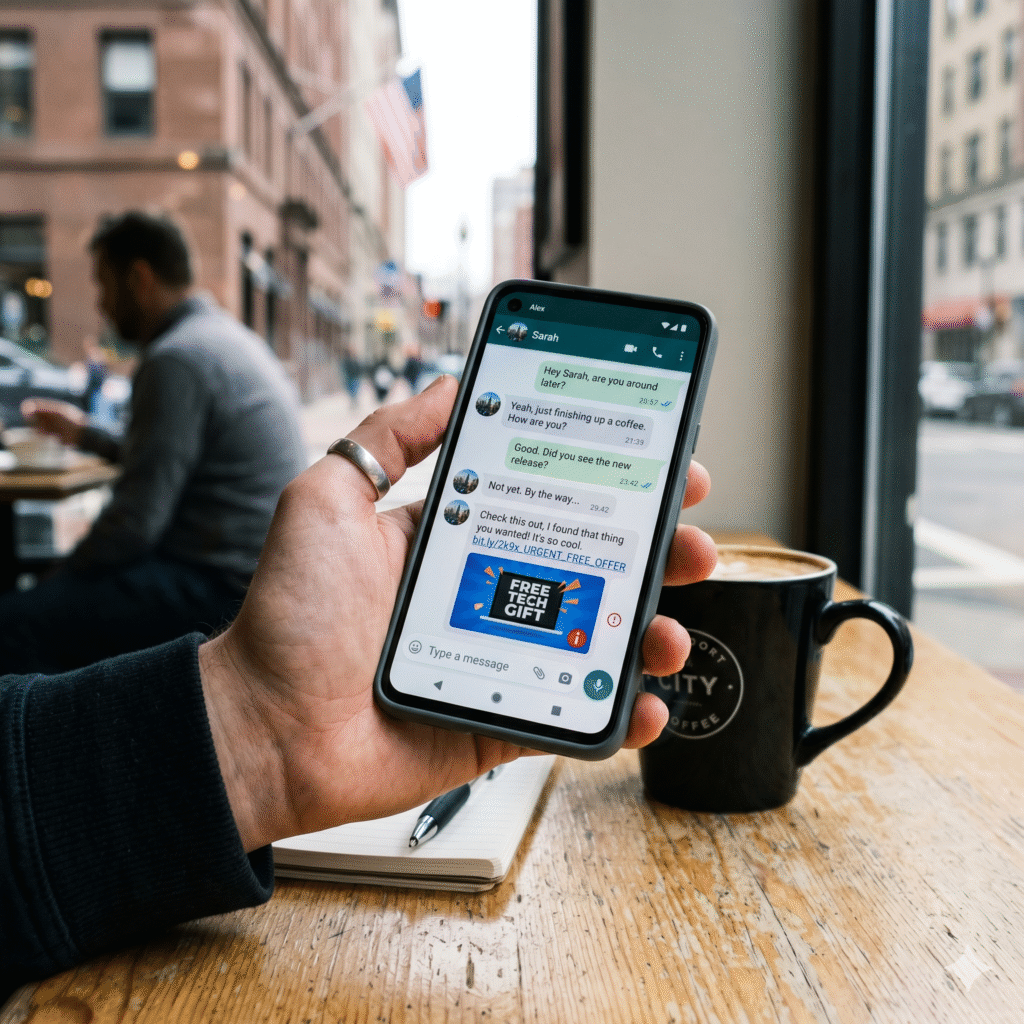
The scam often starts with a “wrong number” text on WhatsApp or a request on a dating app. The scammer builds a romantic or deep personal relationship with the victim over weeks or months. Eventually, they casually mention how much money they are making in “crypto trading.”
They guide the victim to a fake trading platform that looks real, with live charts and customer support. The victim starts with a small amount, and the “platform” shows massive gains. The scammer even lets the victim withdraw a small amount of money once to build trust. Encouraged, the victim deposits their entire life savings. When the victim tries to withdraw the full amount, the platform demands “taxes” or “release fees,” and eventually, the scammer disappears.
4. AI-Driven Scams: The Era of Deepfakes and Voice Cloning

As we navigate 2026, Artificial Intelligence has become a double-edged sword. Scammers are now using Deepfake technology to create video ads of trusted figures promoting fake “investment opportunities” or “airdrop events.”
Deepfake Video Calls
There have been recorded cases of scammers using real-time AI video filters to impersonate a company’s IT director in a Zoom call, tricking an employee into revealing internal keys or authorizing a massive crypto transfer.
Voice Cloning (Vishing)
Using just a few seconds of audio from a YouTube video or social media clip, AI can perfectly clone someone’s voice. You might receive a call from a “friend” or “family member” in a state of emergency, asking you to send crypto to a specific address. Always establish a “safe word” with your loved ones for such situations.
5. Fake Wallets and Malicious Browser Extensions
Many beginners fall victim to fake software. They might find a “New & Improved” version of a popular wallet on the App Store or Chrome Web Store that promises lower fees or extra features.
These malicious apps are designed to function normally until you deposit a certain amount of crypto. Once the threshold is met, the app automatically sends your entire balance to the scammer’s wallet.
Security Rule: Only download wallet software directly from the official website (e.g., metamask.io). Never trust a link in a third-party review or forum.
6. Dusting Attacks and “Address Poisoning”
A “Dusting Attack” is a more technical scam used to deanonymize users. Scammers send a tiny amount of crypto (a “dust” amount) to thousands of random wallets. They then track where that dust goes to try and link your various wallets together, making you a target for more sophisticated phishing or physical extortion.
Address Poisoning
A newer variation involves the scammer sending you a transaction of $0 (or a tiny amount) from an address that looks almost identical to one you recently used. They use a “vanity address” generator to match the first and last 5 characters of your friend’s or exchange’s address. When you go to send your next transaction, you might accidentally copy the “poisoned” address from your transaction history instead of your actual intended recipient.
Advanced Protection: How to Bulletproof Your Crypto Assets
While the threats are numerous, protecting yourself is entirely possible with the right habits.
The 3-Tier Wallet System
Don’t keep all your eggs in one basket. Divide your holdings into three tiers:
-
Exchange/Hot Wallet (Small Amount): Only keep what you plan to trade or spend this week.
-
Software Wallet (Medium Amount): For DeFi interactions and medium-term holdings.
-
Hardware Wallet (The Majority): 90% of your wealth should be in a “Cold Storage” device (Ledger, Trezor, BitBox) that is never connected to the internet.
Multi-Signature (Multisig) Wallets
For high-net-worth individuals, a single private key is a single point of failure. A Multisig wallet (like Safe) requires two or more keys to authorize a transaction. You could keep one key on your hardware wallet and another with a trusted family member or a secure secondary location.
Revoke Token Approvals
When you use a DEX or an NFT marketplace, you often give the site “permission” to spend your tokens. If that site is ever hacked, the hacker can drain your wallet through those old permissions. Use tools like Revoke.cash or Etherscan Token Approval to regularly clean up your active permissions.
What to Do If You Have Been Scammed

If you realize you have fallen victim to a scam, speed is essential.
-
Isolate the Wallet: Immediately move any remaining funds to a brand-new wallet created on a different device.
-
Revoke Permissions: If the scam is related to a smart contract, use a revocation tool immediately.
-
Contact the Exchange: If you sent funds from an exchange, alert their support team. While they usually can’t reverse the transaction, they might be able to freeze the scammer’s account if it’s on the same platform.
-
Report to Authorities: In the US, report the crime to the IC3 (FBI Internet Crime Complaint Center) and the FTC. While recovery is rare, these reports help law enforcement track global criminal networks.
-
Beware of “Recovery Scams”: This is critical. After a hack, you will be messaged by “Ethical Hackers” claiming they can get your money back for a fee. These are also scammers. No one can “force” a reversal on the blockchain.
The Price of Sovereignty
In the traditional banking world, the bank is responsible for your security. In the world of cryptocurrency, you are the bank. This “Self-Sovereignty” is incredibly empowering, but it requires a high level of personal responsibility.
The most important investment you can make in 2026 isn’t in a specific coin; it’s in your own financial education. Stay skeptical, use hardware security, and never share your seed phrase. By following these guidelines, you can enjoy the benefits of digital assets without becoming another statistic in the world of cybercrime.