How Much Should You Spend on Groceries Each Month?
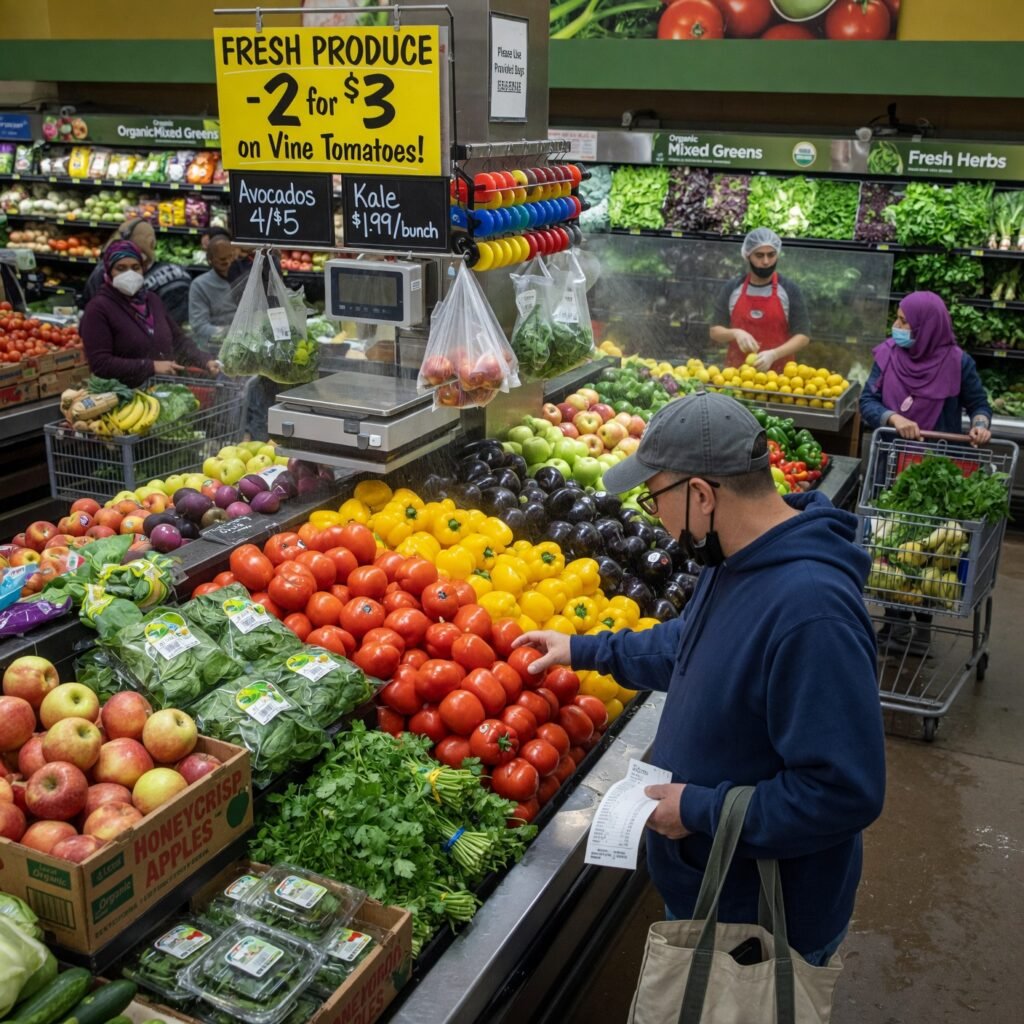
Determining exactly how much money to allocate toward your monthly grocery bill is one of the most common yet frustrating challenges in personal finance. Unlike fixed expenses—such as your monthly mortgage, rent, or car payment—your food budget is highly volatile, elastic, and prone to emotional decision-making.
In recent years, the conversational landscape around food costs has shifted dramatically. Driven by global supply chain disruptions, rising commodity prices, and structural inflation, the cash register total that used to secure a full week of provisions now often covers only a fraction of that amount. Consequently, many disciplined individuals find themselves consistently overspending, wondering whether their baseline target numbers are realistic or if their financial planning is fundamentally flawed.
To build a sustainable long-term budget, you must stop guessing what your food costs should be. Instead, you need to evaluate your household expenditures using empirical benchmarks, income-based frameworks, and strategic microeconomic targets. Here is an advanced, comprehensive breakdown of how much you should spend on groceries each month, how to calculate your personalized spending target, and how to optimize your food budget to maximize both your physical health and your financial net worth.
Decoding the Average Cost of Groceries: National Benchmarks and Realistic Spending Targets

To assess whether your current food spending is optimal, it is helpful to look first at broader economic baselines. Across a wide spectrum of demographic data, average food expenditures vary significantly based on lifestyle choices, age, gender, and overall household composition.
According to data compiled by consumer expenditure surveys, the average individual spends between $250 and $450 per month on groceries. When scaled to a family structure, these figures compound predictably:
-
Single Adult: $250 – $450 per month
-
Family of Two (Couple): $500 – $800 per month
-
Family of Four: $900 – $1,500+ per month
The Risk of Relying Solely on Generalized Averages
While these national averages provide a convenient starting point for conversation, relying on them too heavily can sabotage your personal financial planning. Averages merge vastly different financial profiles into a single, flattening metric.
For instance, an average calculation includes individuals living in hyper-expensive urban metros who prioritize premium organic ingredients alongside suburban families buying commodity goods in bulk. Therefore, to discover your true ideal spend, you must look past generalized averages and apply targeted financial frameworks tailored directly to your specific net take-home pay.
The Percentage-of-Income Rule: How Food Costs Fit Into the 50/30/20 Budgeting Framework
In structural personal finance, one of the most reliable methods for allocating capital is the 50/30/20 budgeting framework. This model divides your post-tax, take-home monthly income into three distinct, non-overlapping categories:
[Net Take-Home Income]
        │
        ├── 50% ──> Essential Needs (Housing, Utilities, Minimum Debt, Essential Groceries)
        ├── 30% ──> Discretionary Wants (Dining Out, Entertainment, Luxury Travel)
        └── 20% ──> Financial Progress (Savings, Investments, Aggressive Debt Paydown)
Isolating Food within the “Needs” Category
Under this traditional allocation matrix, your essential grocery budget resides entirely within the 50% “Needs” bucket. As a general operational rule, your total grocery bill should ideally consume between 10% and 15% of your net take-home income.
To see how this applies practically across various earnings tiers, consider the following target allocation table:
| Monthly Net Income (Post-Tax) | 10% Grocery Baseline (Lean Target) | 15% Grocery Ceiling (Maximum Target) |
| $3,000 | $300 | $450 |
| $5,000 | $500 | $750 |
| $8,000 | $800 | $1,200 |
| $12,000 | $1,200 | $1,800 |
The Elastic Shift for Low and High Earners
It is vital to recognize that the percentage of income allocated to food scales non-linearly due to an economic principle known as Engel’s Law. This law states that as a household’s income increases, the percentage of income spent on food decreases, even if the absolute total dollar amount spent on food rises.
-
Low-Income Dynamics: If your take-home pay is $2,500 a month, spending 15% ($375) on groceries may feel incredibly restrictive because the baseline cost of core nutritional commodities remains fixed regardless of what you earn. You may naturally need to push your allocation closer to 18% of your income to maintain proper nutrition, requiring a corresponding reduction in discretionary spending.
-
High-Income Dynamics: Conversely, if your monthly take-home pay is $15,000, allocating a full 15% ($2,250) toward groceries is often entirely unnecessary unless you are feeding an exceptionally large family or intentionally purchasing premium specialty goods. High earners can easily drop their grocery rate down to 5% or 7% of their income, automatically routing the recovered surplus into wealth-building investment vehicles.
Key Factors That Shift Your Monthly Food Expenditures: Household Size, Location, and Dietary Requirements
If your current spending does not align perfectly with the standard 10% to 15% percentage targets, it is likely driven by specific structural variables. Your grocery budget does not exist in a vacuum; it is continuously altered by demographic and geographic realities.
1. The Real Cost of Geographic Location
Where you live plays a massive role in the baseline pricing of consumer goods. High-density urban centers require complex logistics networks, expensive retail real estate, and higher localized corporate taxes—costs that grocery store chains pass directly to consumers at checkout.
Conversely, living in agricultural regions or mid-sized suburban areas with access to intense supermarket competition naturally lowers the cost of whole foods.
2. Household Demographics and Age Profiles
A family of four composed of two adults and two toddlers will have a drastically different financial profile than a family of four with two teenage athletes.
The biological caloric demand of teenagers requires significantly higher absolute food volume, particularly high-quality proteins and complex carbohydrates. Budget plans must adapt continuously to match the biological lifecycles of your household members.
3. The Structural Premium of Dietary Restrictions
Managing medical food restrictions—such as celiac disease, severe lactose intolerance, or allergen elimination protocols—adds an immediate structural premium to your monthly bill.
Conventional Baking Flour ($0.06 per oz) ──> Standard Industrial Scale Production
                                   vs.
Certified Gluten-Free Flour ($0.28 per oz) ──> Dedicated Allergen-Free Facility Premium
Specialty allergen-free substitute products routinely command markups ranging from 50% to 300% compared to conventional commodities. If your household manages these realities, your budget ceiling must be expanded intentionally, balanced by a reduction in non-essential discretionary categories.
Analyzing Thrifty, Low-Cost, Moderate, and Liberal Spending Tiers

For an official, data-backed breakdown of realistic food costs, we can turn to the monthly nutritional spending tiers calculated by government agricultural and economic agencies. These official food plans detail exactly how much it costs to eat a nutritionally complete diet at four distinct financial intensities.
These tiers are continuously updated to reflect real-world consumer inflation and are divided into four specific profiles:
1. The Thrifty Food Plan
This represents the absolute economic baseline for survival. It relies heavily on unrefined, low-cost commodities purchased in bulk—such as dried beans, rice, potatoes, whole oats, and the most affordable cuts of conventional frozen proteins. It assumes zero spending on convenience items, pre-cut vegetables, or branded snacks. It requires a significant investment of manual prep time and home cooking labor.
2. The Low-Cost Food Plan
A step up from absolute minimalism, this tier introduces a slight degree of variety. It allows for occasional purchases of seasonal fresh produce, a broader selection of animal proteins (such as lean ground beef and fresh chicken breast), and minor convenience items like store-brand canned soups or basic whole-wheat breads.
3. The Moderate Food Plan
This tier matches the typical behavior of the average middle-class consumer. It permits a comfortable blend of convenience and quality. Shoppers in this category routinely purchase brand-name items alongside generics, select pre-washed salad greens, buy high-quality lean meats, and occasionally incorporate specialized health products or out-of-season fruits without strictly calculating the cost of every item.
4. The Liberal Food Plan
The highest tier reflects a spending pattern where budget restrictions are secondary to culinary preference, premium quality, and optimal convenience. This plan accommodates premium organic certifications, prime cuts of fresh meat, specialty imported seafood, high-end cheeses, and an abundance of pre-packaged, ready-to-eat artisanal meal components.
The Strategic Takeaway: To optimize your finances, identify where your household currently sits on this matrix. If your household income aligns with a “Low-Cost” profile but your grocery receipts reveal a “Liberal” lifestyle pattern, you have identified a major structural leak that is actively compromising your long-term investment capabilities.
Step-by-Step Guide: How to Calculate and Customize Your Ideal Monthly Grocery Budget Target
To build a personalized grocery target that balances your financial wealth goals with your nutritional requirements, follow this step-by-step framework.
Balancing the Scales: Understanding the Direct Trade-off Between Groceries and Dining Out
A frequent error in personal capital management is treating the grocery budget and the restaurant budget as completely independent financial categories. In reality, they are two sides of the exact same coin: Total Monthly Food Allocation.
[Total Food Capital Allocation]
               │
               ├──> Grocery Store Channels (High Raw Value, High Labor Input)
               └──> Food Service Channels (Low Raw Value, High Convenience / Premium Markups)
The Concept of Substitution Elasticity
When you choose to cook a meal at home using raw ingredients purchased from a supermarket, you are buying food at cost plus a basic retail distribution margin. When you eat at a restaurant or order via a food delivery application, you are paying for the food input plus a massive premium to cover commercial real estate leases, kitchen labor overhead, corporate profit margins, delivery service fees, and tips.
-
The Cost Multiplier: On average, prepared restaurant food costs 300% to 500% more per serving than an identical meal prepared inside a home kitchen.
-
The Strategic Budget Blur: If you spend an incredibly lean $300 a month at the grocery store but simultaneously burn through $700 a month on weekend dining out and workplace lunch deliveries, your total food spend is actually $1,000 a month.
To maintain clear visibility over your cash flow, combine these categories into a master “Food Matrix” budget. If you choose to expand your restaurant spending in a given month due to social obligations, you must intentionally compress your grocery spending downward to preserve your target savings rate.
Hidden Budget Drains: How Sneaky Grocery Expenses and Deceptive Marketing Inflate Your Register Total

If your grocery bill remains high despite your best efforts, you are likely falling prey to subtle, structural retail mechanisms designed by supermarkets to maximize your transaction size without your conscious awareness.
1. The Pre-Cut Convenience Premium
Purchasing pre-washed, pre-chopped, or pre-packaged ingredients is one of the fastest ways to quietly inflate your grocery bill. Supermarkets charge an astronomical premium for this basic prep labor.
-
The Price of Convenience: A whole head of conventional green cabbage might cost $0.80 per pound, while a plastic bag of pre-shredded cabbage (coleslaw mix) right next to it can easily equate to over $3.50 per pound.
-
The Tactical Adjustment: Buy the whole asset. Dedicating ten minutes of your weekend to basic knife work and vegetable washing will instantly cut your costs in that food category by over 70%.
2. The Trap of Uncoordinated Bulk Purchases
Warehouse clubs offer immense microeconomic benefits, but only if your consumption habits align perfectly with your volume purchases.
Buying massive, industrial-sized containers of perishable goods—such as fresh berries, large tubs of dairy, or delicate leafy greens—often results in financial loss due to premature spoilage. If you throw away 30% of a bulk container because it degrades before you can consume it, your calculated per-unit discount completely evaporates, turning a supposed bargain into a net financial waste.
3. Subscription Services and Meal Kit Inefficiencies
Subscription meal kit services market themselves as convenient, waste-reducing alternatives to traditional grocery shopping. However, when analyzed on a per-serving basis, these kits routinely cost between $10 and $15+ per person, per meal.
For a household of two, relying on meal kits for just four dinners a week can easily consume over $400 a month. That same $400, if allocated strategically toward whole ingredients at a standard supermarket, could easily fund an entire month’s worth of breakfast, lunch, and dinner provisions.
Advanced Actionable Systems to Lower Your Monthly Grocery Bill Without Sacrificing Quality
If your structural analysis reveals that you need to lower your monthly grocery bill to hit your financial independence milestones, avoid the trap of relying on willpower or severe caloric deprivation. Instead, deploy automated, system-driven tactics designed to lower your expenses naturally.
1. Transition Exclusively to Store Brands (Private Labels)
National name brands must bake their multi-million-dollar corporate advertising budgets, packaging designs, and slotting fees directly into the retail price of their items. Store brands (generics) bypass these marketing expenditures entirely, offering identical nutritional profiles and food safety standards at a permanent 30% to 50% structural discount.
2. Deploy the “Unit Price” Visual Filter
When comparing products on a supermarket shelf, completely ignore the large, bold retail price font. Force your eyes to drop exclusively to the tiny corner of the pricing sticker displaying the unit price (e.g., price per ounce or price per pound). This mathematical baseline strips away the visual illusions created by clever packaging geometry, marketing banners, and shrinkflation.
3. Anchor Your Diet Around Low-Cost Whole Assets
Build your weekly menu around incredibly nutrient-dense, shelf-stable commodities that carry naturally low retail markups:
-
Proteins: Whole eggs, dried lentils, canned sardines, black beans, and bone-in, skin-on chicken thighs.
-
Carbohydrates: Sweet potatoes, brown rice, rolled oats, and whole green cabbage.
-
Fats: Bulk extra-virgin olive oil and natural peanut butter.
These foods provide an immense satiety index per dollar spent, stabilizing your blood sugar, turning off biological hunger cues, and systematically driving down your overall consumption volume over time.
Mastering Your Monthly Food Spend for Long-Term Wealth Generation
Ultimately, determining how much you should spend on groceries each month is not about picking an arbitrary number out of thin air. It is about aligning your household consumption patterns with your overarching financial values, your post-tax take-home pay, and your long-term wealth goals.
By anchoring your grocery target firmly within the 10% to 15% net income range, eliminating hidden convenience premiums, and tracking your combined food-and-restaurant numbers seamlessly, you transition from a passive target of retail marketing into an execution-focused capital allocator.
Treat every dollar you recover from your grocery bill not as an act of painful deprivation, but as a hard-won financial victory. By routing your food savings automatically into a high-yield savings account, an emergency fund, or a low-cost index fund at the end of every monthly cycle, you transform your routine supermarket run into a powerful engine for your long-term financial freedom.