Is it better to pay with debit or credit?
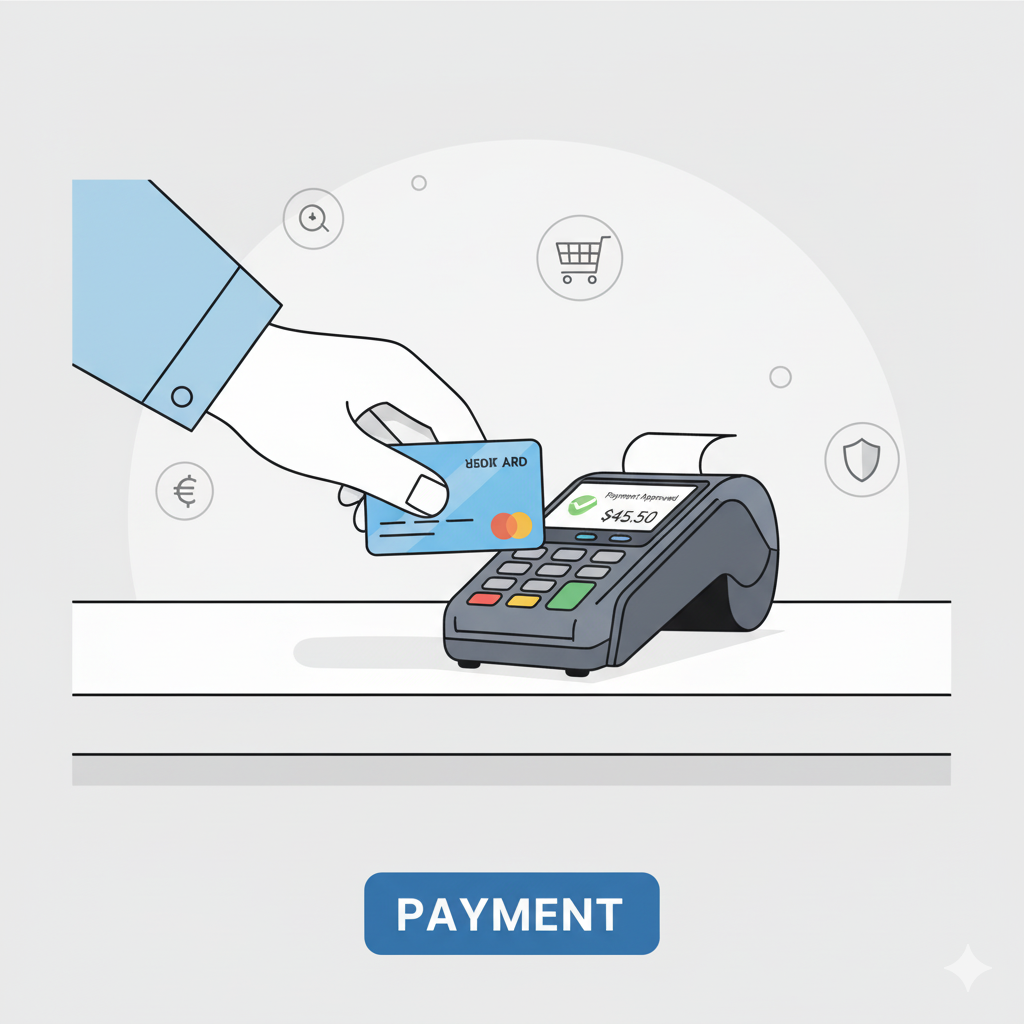
It’s a choice you make almost every day, often without a second thought. You’re at the grocery store, the gas pump, or an online checkout. You reach for your wallet (or your phone) and face the classic dilemma: debit or credit?
To many, they seem interchangeable. One is your money, the other is the bank’s. But here’s the financial secret that separates the savvy from the struggling: this simple, daily choice has massive long-term consequences.
Choosing the right card can build your wealth, protect you from fraud, and earn you free travel. Choosing the wrong one can cost you money, expose you to risk, and keep you stuck in a cycle of financial anxiety.
So, what’s the real answer? Is it better to pay with debit or credit? The answer isn’t just a simple “yes” or “no”—it’s a strategy. This guide will break down exactly when to use each, why it matters, and how to build a payment system that protects you and pays you back.
How Does a Debit Card Actually Work? (The “Your Money” Path)

Let’s start with the basics. When you use your debit card, you are using your own money.
A debit card is a plastic key that unlocks your checking account. The moment you swipe, dip, or tap, the money is authorized and pulled directly from your account balance, usually within a day or two. If you have $500 in your account and make a $100 purchase, your balance drops to $400.
It’s simple, direct, and easy to understand.
The Case for Debit:
- Forces You to Live Within Your Means: This is its greatest strength. You cannot (in theory) spend money you don’t have. It’s a built-in budgeting tool.
- No Debt, No Interest: Since it’s your money, there’s no bill to pay later, no interest charges, and no risk of falling into debt.
- Convenient ATM Access: Your debit card is your primary way to get cash.
- Good for Building Discipline: If you are new to managing money or are recovering from debt, a “debit-only” lifestyle is the safest way to build good habits.
The Downsides of Debit:
- No Credit Building: This is a major drawback. Your FICO score is one of the most important numbers in your financial life. Using a debit card does nothing to build or improve your credit history.
- Weaker Fraud Protection: This is the most misunderstood and dangerous part. We’ll cover this in-depth, but in short: if your debit card is compromised, your actual money is gone from your account, and you have to fight the bank to get it back.
- No Rewards: You get no cash back, no travel points, and no perks for your spending.
- Holds on Your Cash: When you use a debit card at a gas station or hotel, they may place a “hold” of $100 or more. That is your money you can’t access until the hold is lifted, which can take days.
How Does a Credit Card Actually Work? (The “Borrowed Money” Path)
When you use a credit card, you are using the bank’s money.
A credit card is a pre-approved, unsecured, short-term loan. When you make a $100 purchase, the bank (like Chase, Amex, or Citi) pays the merchant for you. You now owe the bank $100.
At the end of your 30-day billing cycle, the bank sends you a bill (your statement) for all the purchases you made. You then have a “grace period” (usually 21-25 days) to pay that bill in full.
If you pay the entire bill in full by the due date, you pay zero interest.
If you pay only the “minimum payment” or carry any balance, you are charged high-interest (APR) on the remaining amount.
The Case for Credit:
- Builds Your Credit Score: This is the #1 benefit. Responsible credit card use is the single best way to build a strong FICO score, which unlocks lower interest rates on mortgages, car loans, and more.
- Superior Fraud Protection: You have zero liability for fraudulent charges. If your card is stolen, it’s the bank’s money that’s in dispute, not yours. Your checking account remains untouched.
- Rewards & Cash Back: You get paid to spend. Earning 1.5% to 5% cash back on all your purchases is like getting a permanent discount on life.
- Purchase Protection & Perks: Many cards offer extended warranties on new products, travel insurance, and rental car collision coverage, saving you hundreds of dollars.
- Manages Cash Flow: It allows you to make large, necessary purchases and pay them off at the end of the month, smoothing out your expenses.
The Downsides of Credit:
- The Danger of Debt: This is the big one. The “buy now, pay later” nature makes it psychologically easy to overspend.
- Astronomical Interest (APR): If you fail to pay your bill in full, the interest rates are brutal, often 20% to 30%+. This is how people fall into a debt spiral.
- Annual Fees: While the best no-fee cards are excellent (as we’ve covered on this site), some premium cards charge high fees.
The Core Showdown: Credit vs. Debit on What Matters Most
Let’s put them head-to-head in the areas that have the biggest impact on your financial life.
Winner for Fraud Protection: Credit (By a Landslide)
This is not a debate. This is a fact.
- When your DEBIT card is used fraudulently: Your money is gone from your checking account. You might not be able to pay your rent or buy groceries. Under federal law (Regulation E), you must report the fraud quickly. While most banks will eventually return the money, it can take weeks of investigation, during which time you are out of that cash.
- When your CREDIT card is used fraudulently: Your money is safe. You call the bank, report the charge, and say, “That wasn’t me.” They will freeze the card, send you a new one, and remove the charge. You are never out of your own money. It’s the bank’s problem to solve, not yours.
Verdict: For this reason alone, you should never use a debit card for online purchases or at any location where skimming is a risk (like gas pumps).
Winner for Building Your Future: Credit
Your FICO score dictates the largest financial milestones of your life.
- Debit: Your score is $0.
- Credit: Your score is $0.
Using your debit card for 10 years proves nothing to lenders.
Using your credit card responsibly for 10 years proves you are a reliable, low-risk borrower, which can save you tens of thousands of dollars in interest on a mortgage.
Winner for Financial Perks: Credit
- Debit: You spend $1,000, you get $1,000 worth of goods.
- Credit: You spend $1,000 on a 2% cash-back card. You get $1,000 in goods and the bank sends you $20.
It’s simple math. If you spend $2,000 a month on a good rewards card, that’s $480 in free, tax-free money at the end of the year, just for paying with a different piece of plastic.
Winner for Budgeting & Discipline: Debit
This is the one area where debit has a clear psychological advantage. When you use debit, the pain of the purchase is immediate—you see your account balance go down. This forces a natural, healthy friction that makes you second-guess an impulse buy.
A credit card delays that pain. Swiping it feels “free” until the bill arrives 30 days later, which is a classic psychological trap that leads to overspending.
When Should You Absolutely Use a Credit Card?
For the financially disciplined, a credit card should be your default payment method. Use it for:
- Online Shopping: The zero-liability fraud protection is non-negotiable.
- Large Purchases: Buying a new TV, laptop, or appliance? Use a credit card. It not only protects you from fraud, but many cards offer Purchase Protection (if it’s stolen or broken in 90 days) and Extended Warranty (adding a free year to the manufacturer’s warranty).
- Gas & Groceries: These are your biggest, most consistent expenses. Why not get 3-5% cash back on them?
- Travel & Car Rentals:
- Hotels: They will put a hold on your card. It’s better they hold the bank’s credit line than your cash.
- Car Rentals: Most credit cards include a Collision Damage Waiver (CDW), allowing you to decline the rental company’s expensive daily insurance. This perk alone can save you $20-$30 per day.
- Recurring Bills: Put your Netflix, cell phone, and insurance bills on your card. It’s an easy, automatic way to earn rewards and build your payment history.
When is Paying with Debit Actually the Smarter Move?
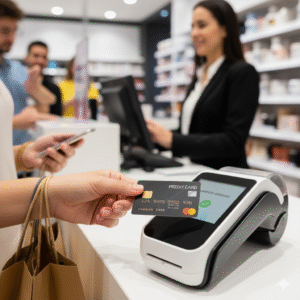
A debit card is not useless! It’s a specific tool for specific jobs. It’s the smarter choice when:
- You Are Actively Paying Off Debt: If you are in a “get out of debt” journey, the first step is to stop creating new debt. Cut up the credit cards (or freeze them) and go to a debit/cash-only system. This is the #1 rule of debt freedom.
- You Have a History of Overspending: If you know you lack self-control and a credit card feels like “free money,” do not use one. The 2% cash back is not worth 22% in APR. Be honest with yourself.
- To Avoid Credit Card Surcharges: Some small businesses (or government offices, like the DMV) will charge you a 3-4% fee to use a credit card. In this case, your 2% reward is canceled out. Use your debit card (or cash).
- To Get Cash Back at the Register: Need $20 in cash? It’s often cheaper to use your debit card at the grocery store and select “cash back” than it is to hunt for an in-network ATM.
- To Meet Bank Account Requirements: Some high-yield checking accounts offer great interest rates, but only if you make “10-15 debit card transactions per month.” In this specific case, use your debit card for small purchases to meet the quota.
The Ultimate Strategy: Getting the Best of Both Worlds
So, how do you combine the safety and rewards of credit with the discipline of debit? You adopt a simple, powerful system.
This is the strategy that financially savvy people use every day.
- Step 1: Treat Your Credit Card Like a Debit Card. This is the entire secret. It’s a mental shift. Never charge anything to your credit card that you cannot pay for with the cash in your checking account right now.
- Step 2: Use Your Credit Card for 100% of Your Budgeted Purchases. Use it for groceries, gas, bills, and restaurants.
- Step 3: Monitor Your Spending. Don’t wait for the bill. Use your card’s app to check your balance every few days. You’ll see “Pending Balance: $450.” Look at your checking account: “Balance: $2,000.” You know you are safe.
- Step 4: Set Up Auto-Pay. Go into your credit card settings and select the option to “Pay Statement Balance in Full” every month. This makes you untouchable. You will never pay a cent of interest.
- Step 5: Put Your Debit Card Away. Keep your debit card in a safe place at home. You only need it for ATM access. This removes the risk of it being stolen or skimmed.
By doing this, you have created the perfect hybrid: You get the iron-clad fraud protection, the credit-building benefits, and the 2-5% cash back… all while maintaining the strict discipline of only spending money you actually have.
Who Wins the Debit vs. Credit Debate?
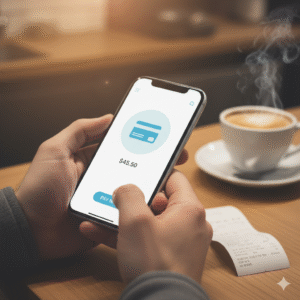
For the consumer who is organized, disciplined, and pays their bills on time, the credit card is the clear and undisputed winner. It is a powerful financial tool that offers protection, builds your future, and pays you for your spending.
For the consumer who is building discipline, recovering from debt, or knows they have a tendency to overspend, the debit card is the safer, smarter, and more responsible choice.
The goal isn’t just to pick a card. The goal is to build the financial habits that allow you to graduate from debit to responsible credit. Use your debit card to learn control, and then use your credit card to build your wealth.