What time does the stock exchange open and close?
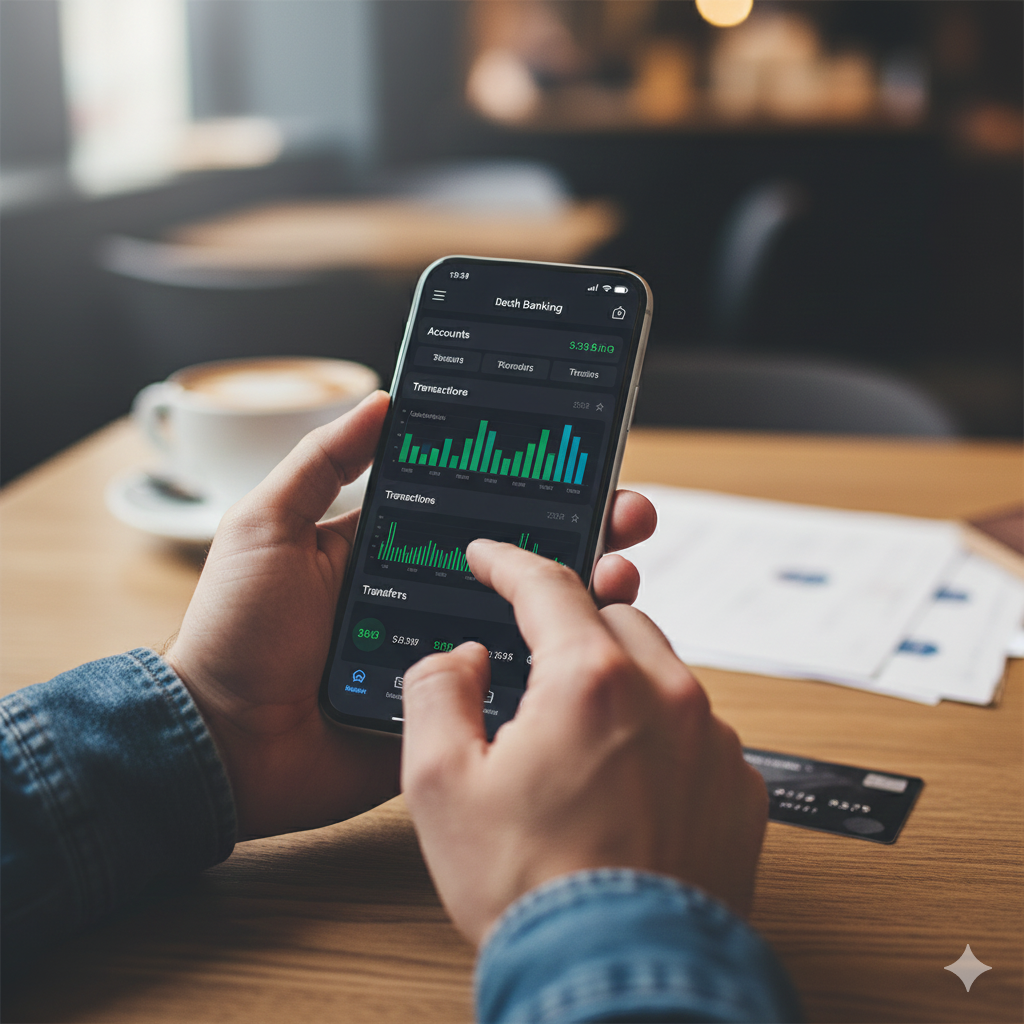
For the uninitiated, the stock market can seem like a digital entity that never sleeps. While it is true that numbers flicker on screens 24/7 in our globalized economy, the actual exchanges where stocks are bought and sold have very specific “business hours.”
Knowing exactly when the market opens and closes is one of the most basic yet vital pieces of information for any investor. Whether you are a long-term “buy and hold” investor or a day trader looking for quick profits, the timing of your trades can significantly impact the price you pay and the volatility you experience.
In this comprehensive guide, we will break down the standard trading hours for major exchanges, explore the world of extended-hours trading, and explain why the clock is just as important as the ticker symbol.
The Standard: Regular Trading Hours (RTH) in the United States
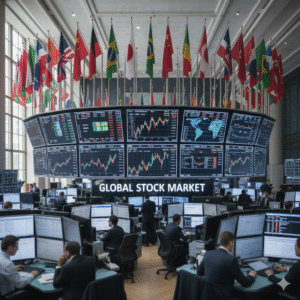
In the United States, the two primary exchanges—the New York Stock Exchange (NYSE) and the NASDAQ—follow a synchronized schedule. This is what financial news outlets refer to when they say “the market is open.”
1. Opening and Closing Times
-
Opening Bell: 9:30 AM Eastern Time (ET)
-
Closing Bell: 4:00 PM Eastern Time (ET)
These hours are consistent from Monday through Friday. On these days, the market is at its most “liquid,” meaning there are the most buyers and sellers active at once. For a beginner, this is the safest time to execute trades because the “bid-ask spread” (the difference between the buying and selling price) is usually at its narrowest.
2. Is There a Lunch Break?
Unlike some international markets, the U.S. stock market does not close for lunch. Trading continues straight through the mid-day period. However, many professional traders notice a “mid-day lull” between 12:00 PM and 2:00 PM ET. During this time, volume typically drops as floor traders and institutional investors take breaks, which can lead to slower price movements.
Beyond the Bell: Understanding Extended-Hours Trading
If you have ever seen a stock price move significantly at 7:00 PM or 6:00 AM, you are witnessing Extended-Hours Trading. Technology has made it possible for investors to trade outside the traditional 9:30 to 4:00 window, but it comes with unique risks.
3. Pre-Market Trading
Pre-market trading occurs before the official opening bell.
-
Hours: Most brokers allow pre-market trading to start as early as 4:00 AM ET, though the bulk of the volume usually picks up after 8:00 AM ET.
-
Why use it? Investors use the pre-market to react to overnight news, such as international economic reports or early-morning corporate earnings releases.
4. After-Hours Trading
After-hours trading begins as soon as the closing bell rings.
-
Hours: Generally runs from 4:00 PM to 8:00 PM ET.
-
Why use it? This is when the majority of U.S. companies release their quarterly earnings reports. If a company like Apple or Google reports better-than-expected profits at 4:05 PM, the stock price will react instantly in the after-hours market.
5. The Risks of Extended Hours
While trading at 7:00 PM might seem convenient, beginners should be cautious. Extended hours are characterized by:
-
Lower Liquidity: Fewer people are trading, which means it can be harder to buy or sell a stock at your desired price.
-
Higher Volatility: Because there are fewer participants, a single large trade can cause the price to swing wildly.
-
Wide Spreads: You may end up paying a much higher premium to buy a stock than you would during the day.
Global Perspectives: When Do International Markets Open?
If you are interested in diversifying your portfolio with international stocks (often called “International ADRs”), you need to be aware of global time zones. The sun never sets on the global financial system.
| Exchange | Location | Local Trading Hours | ET Equivalent |
| London Stock Exchange (LSE) | London, UK | 8:00 AM – 4:30 PM | 3:00 AM – 11:30 AM |
| Tokyo Stock Exchange (TSE) | Tokyo, Japan | 9:00 AM – 3:00 PM* | 8:00 PM – 2:00 AM |
| Hong Kong Stock Exchange | Hong Kong | 9:30 AM – 4:00 PM* | 9:30 PM – 4:00 AM |
| Euronext | Paris/Amsterdam | 9:00 AM – 5:30 PM | 3:00 AM – 11:30 AM |
*Note: Many Asian markets include a scheduled lunch break where trading stops for 60 to 90 minutes.
For a U.S.-based investor, the London Stock Exchange is particularly important because it overlaps with the U.S. market for a few hours in the morning. This “overlap” often results in some of the highest global trading volumes of the day.
Weekends and Holidays: When the Market Takes a Break
The stock market is closed on Saturdays and Sundays. Additionally, there are several U.S. federal holidays when the NYSE and NASDAQ shut their doors entirely.
2025 Market Holiday Schedule
-
New Year’s Day: January 1
-
Martin Luther King, Jr. Day: Third Monday in January
-
Washington’s Birthday: Third Monday in February
-
Good Friday: The Friday before Easter
-
Memorial Day: Last Monday in May
-
Juneteenth National Independence Day: June 19
-
Independence Day: July 4
-
Labor Day: First Monday in September
-
Thanksgiving Day: Fourth Thursday in November
-
Christmas Day: December 25
Pro-Tip: On the day before Independence Day and the day after Thanksgiving (Black Friday), the market often has an Early Close at 1:00 PM ET.
Why Timing Matters: The Most Volatile Hours to Trade

Experienced traders don’t just look at what to buy; they look at when to buy. The trading day is generally divided into three distinct zones based on behavior.
6. The Opening Cross (9:30 AM – 10:30 AM)
This is often called the “Amateur Hour” or the “Volatility Window.” All the news that happened overnight—political events, earnings, international crises—gets “priced in” during the first 60 minutes. This is usually the most volatile time of the day. For beginners, it’s often best to wait for the “opening dust to settle” before placing a trade.
7. The Mid-Day Lull (11:30 AM – 2:00 PM)
As mentioned earlier, this is when volume drops. Large institutional “algorithms” often take over during this time. Prices tend to drift sideways. If you are a long-term investor looking to enter a position without too much drama, this can be a calm time to buy.
8. The Power Hour (3:00 PM – 4:00 PM)
This is the final hour of trading. Institutional investors, hedge funds, and mutual funds often rebalance their portfolios in this window. Volume surges again, and the “Closing Bell” can see massive amounts of money move in the final seconds.
How Technology and Crypto are Changing the “Closing Bell”
While the stock market maintains its traditional hours, other asset classes are pushing toward a 24/7 model.
-
Cryptocurrency: Markets like Bitcoin and Ethereum never close. They trade 24 hours a day, 365 days a year. This has created a new generation of investors who are used to constant access.
-
Futures Markets: Commodities like oil, gold, and S&P 500 futures trade nearly 24 hours a day during the work week, only closing briefly in the evening and on weekends.
Because these other markets are always moving, they often act as “early warning signals” for what the stock market will do when it finally opens at 9:30 AM.
Managing Your Strategy Across Time Zones
If you live in California (Pacific Time) or Hawaii, your trading day starts much earlier than your peers in New York.
-
Pacific Time (PT): Market opens at 6:30 AM and closes at 1:00 PM.
-
Central Time (CT): Market opens at 8:30 AM and closes at 3:00 PM.
For those on the West Coast, the market day is over before most people finish their workday, which can be an advantage for those who want to focus on their “day job” in the afternoons. Conversely, it means waking up before dawn to catch the opening bell.
The Clock is Your Ally

The stock market’s opening and closing hours provide a necessary structure to the world of high finance. They ensure that there are periods of high liquidity, allow for the orderly release of corporate information, and give the humans behind the machines a chance to rest.
As an investor, your goal is to use this schedule to your advantage. Avoid the high-risk “extended hours” until you have more experience, and try to execute your trades when liquidity is highest during the standard 9:30 to 4:00 window.