Apartment vs House: Which Is Better?
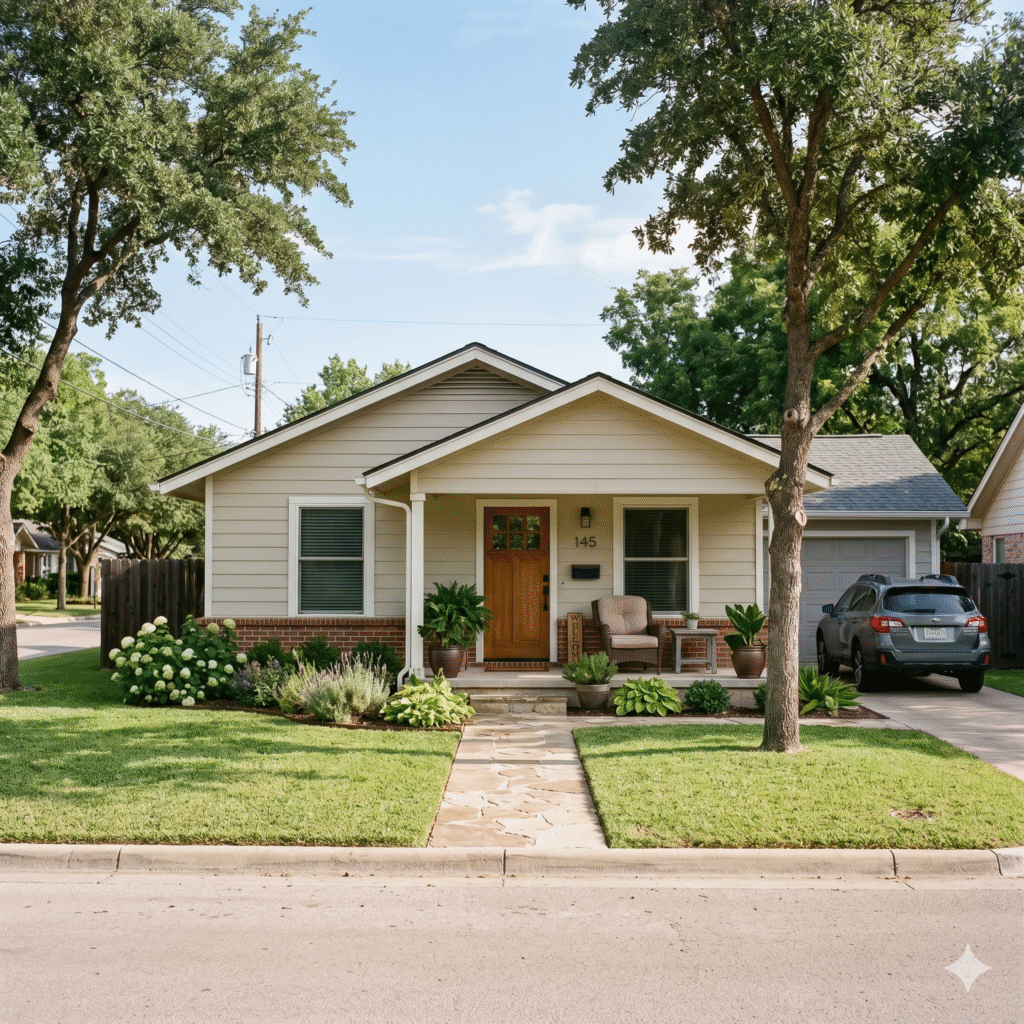
Deciding where to lay your head at night is one of the most significant financial and lifestyle decisions you will ever make. For decades, the “American Dream” was synonymous with a white picket fence and a sprawling lawn. However, as urban centers grow and financial markets shift, the choice between an apartment and a house has become far more nuanced.
Whether you are a young professional looking for your first place, a growing family seeking more room, or a retiree looking to downsize, the “Apartment vs. House” debate requires a deep dive into finances, maintenance, and long-term goals. This guide breaks down every angle to help you determine which option is the better investment for your life.
Analyzing the Financial Impact: Upfront Costs and Monthly Obligations

The first question most people ask is: “What can I afford?” While the monthly payment is a major factor, the total cost of entry varies wildly between these two property types.
The Down Payment and Initial Investment
Typically, purchasing a house requires a more substantial down payment. In the United States, while there are low-down-payment programs (like FHA loans), a conventional mortgage often targets 20% to avoid Private Mortgage Insurance (PMI). For a $400,000 home, that is a $80,000 commitment upfront.
Apartments (especially if you are renting) usually require a security deposit and the first month’s rent. If you are buying an apartment (a condo or co-op), the entry price is often lower than a single-family home in the same zip code, but the lending rules for condos can sometimes be stricter, requiring higher credit scores or specific building certifications.
Monthly Recurring Expenses
-
Mortgage/Rent: Usually the largest expense.
-
Property Taxes: Generally higher for houses because you own the land.
-
Insurance: Homeowners insurance is typically more expensive than “Renters Insurance” or “Condo Insurance” because you are responsible for the exterior structure and the roof.
-
Utilities: Houses generally have higher utility bills due to more square footage to heat and cool, plus costs like water for landscaping.
Property Maintenance and the “Hidden” Cost of Time
When you live in an apartment, “maintenance” usually involves a single phone call to a landlord or building manager. When you own a house, you are the maintenance department.
The Apartment “Lock-and-Leave” Lifestyle
One of the biggest draws of apartment living is the convenience. If the dishwasher breaks or the heater stops working, it is someone else’s financial and logistical problem. For busy professionals or frequent travelers, this “lock-and-leave” capability is priceless. You don’t have to worry about the lawn growing too high while you are on vacation or a pipe bursting in the basement.
The House “Sweat Equity” Reality
Owning a house requires constant vigilance. Beyond the common repairs, there are seasonal tasks:
-
Gutter cleaning in the fall.
-
Snow removal in the winter.
-
Lawn care and landscaping in the spring and summer.
-
Roof inspections and HVAC servicing.
The Financial Trade-off: While a house costs more in time and money to maintain, these improvements often lead to forced appreciation. A new kitchen or a landscaped backyard can directly increase the resale value of a house in a way that is rarely possible in a rental or even a standard condo.
The Amenities War: Luxury Perks vs. Private Space
Modern apartment complexes have entered an “amenities arms race.” To attract tenants, developers are building mini-resorts.
Why Apartment Amenities Win
If you value fitness and social interaction, apartments often offer:
-
State-of-the-art Gyms: Eliminating the need for a $50/month gym membership.
-
Rooftop Decks and Pools: Ideal for hosting without the maintenance of a private pool.
-
Co-working Spaces: A massive benefit in the era of remote work.
-
Security: Gated entries, doormen, and security cameras provide a level of safety that is expensive to replicate in a private home.
Why Houses Win on Privacy
The trade-off for those shared amenities is a lack of privacy. In an apartment, you share walls, ceilings, and floors with neighbors. You are subject to their noise, their cooking smells, and their schedules.
A house offers a buffer zone. You have a backyard for your dog, space for a garden, and a garage for your car or hobbies. If you value silence and the ability to play music or have a late-night dinner party without a noise complaint, the house is the clear winner.
Investment Potential and Long-Term Wealth Building

From a financial standpoint, a house is often viewed as a “forced savings account.” Every mortgage payment increases your equity, provided the market remains stable.
Equity and Appreciation
Historically, single-family homes appreciate at a slightly higher rate than apartments/condos. This is largely because land is a finite resource. When you buy a house, you are buying the dirt beneath it. When you buy a condo, you are buying a share of a building.
The “Rent vs. Buy” Opportunity Cost
A common argument is that renting an apartment is “throwing money away.” However, savvy investors often argue the opposite. If renting an apartment is $1,000 cheaper per month than owning a house (after taxes, interest, and maintenance), and you invest that $1,000 into the S&P 500, you might actually end up with a higher net worth over 30 years than a homeowner would.
Pro-House Investment Tip: Houses allow for “House Hacking.” You can rent out a basement, a spare room, or an ADU (Accessory Dwelling Unit) to offset your mortgage, which is much harder to do legally in a rented apartment.
Flexibility vs. Stability: Navigating Life Changes
Your choice often depends on where you are in your career and life cycle.
The Case for Apartments (Flexibility)
If your job might require you to move to a different city next year, an apartment is the logical choice. Breaking a lease or waiting for a lease to end is far easier and cheaper than selling a house. Selling a home involves agent commissions (often 5-6%), closing costs, and the stress of finding a buyer, which can take months.
The Case for Houses (Stability)
If you have children or are planning to stay in one area for 10+ years, a house provides stability. You don’t have to worry about a landlord raising the rent by 20% or deciding to sell the building. You have control over your environment and your long-term housing costs (if you have a fixed-rate mortgage).
Understanding Rules: HOA vs. Landlord vs. Autonomy
No matter where you live, there are rules. The difference is who makes them and how much they cost.
HOA (Homeowners Association) Fees
Most apartments and many modern housing developments have an HOA. These fees cover shared expenses but also come with strict rules.
-
In an apartment: The HOA might ban certain dog breeds or restrict what color curtains you can hang.
-
In a house: An HOA might tell you what color you can paint your front door or where you can park your car.
If you are a “rebel” who wants to paint your house bright purple or build a massive workshop in the backyard, you need to look for a single-family home without an HOA. This level of autonomy is almost impossible to find in apartment living.
Comparative Analysis: A Quick Reference Table
| Feature | Apartment / Condo | Single-Family House |
| Initial Cost | Lower (Security deposit/Smaller down payment) | Higher (Large down payment/Closing costs) |
| Maintenance | Minimal (Handled by management) | High (Owner’s responsibility) |
| Privacy | Low (Shared walls/Common areas) | High (Private yard/No shared walls) |
| Amenities | High (Gym, Pool, Security) | Low (Usually must build your own) |
| Flexibility | High (Easier to move) | Low (Harder to sell and relocate) |
| Long-term Value | Moderate Appreciation | High Appreciation Potential |
Environmental Impact and Sustainability
In the modern world, the “green” factor is becoming a major decision-point for many buyers.
Apartments are generally more eco-friendly. Because they are smaller and share walls, they require significantly less energy to heat and cool. Multi-unit buildings also encourage higher-density living, which often leads to better public transit options and a lower carbon footprint per person.
Houses offer “Eco-Autonomy.” While a house uses more energy, the owner has the power to install solar panels, rain barrels, and composting systems. You can replace a water-hungry lawn with a drought-resistant “xeriscape” garden—something you can’t do on an apartment balcony.
Which Is Better for You?

The “better” option is entirely subjective and based on your current Return on Investment (ROI)—not just financially, but emotionally.
Choose an Apartment If:
-
You value your time and hate yard work.
-
You want to live in the heart of a city near work and nightlife.
-
You want predictable monthly expenses.
-
You are in a transitional phase of your life or career.
Choose a House If:
-
You want to build long-term equity and “own” your land.
-
You have a family, pets, or hobbies that require significant space.
-
You value privacy and quiet over urban convenience.
-
You want the freedom to renovate and customize your living space.
Frequently Asked Questions (FAQ)
Is renting an apartment really “throwing money away”?
No. Renting provides you with a roof over your head, flexibility, and the elimination of maintenance costs. If the money you save by renting is invested wisely, it can be a very smart financial move.
Are houses always a better investment than condos?
Not necessarily. In high-demand urban areas (like New York City or San Francisco), a well-located condo can appreciate faster than a house in a remote suburb. Location is often more important than the property type.
Can I get a mortgage for an apartment?
Yes, you can get a mortgage for a condominium (condo). However, the lender will evaluate both your financial health and the financial health of the building’s association before approving the loan.
What is the 1% rule in home maintenance?
A common rule of thumb is to set aside 1% of the home’s purchase price each year for maintenance. If your house cost $300,000, expect to spend about $3,000 a year on repairs and upkeep.
There is no “one-size-fits-all” answer to the apartment vs. house debate. The best choice is the one that aligns with your financial reality and your lifestyle aspirations. By weighing the convenience of apartment living against the autonomy and equity of a house, you can make a decision that ensures your home is a place of comfort, not a source of stress.
Before you sign a lease or a mortgage, run the numbers, visit the neighborhoods at different times of day, and be honest about how much “sweat equity” you are truly willing to put in. Happy house (or apartment) hunting!