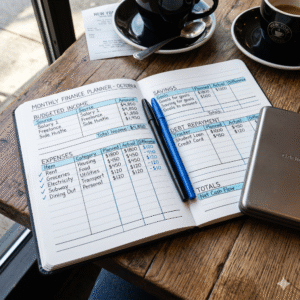
Top credit cards for people with bad credit

Having a “bad” credit score—typically defined as a FICO score below 580—can feel like being locked out of the modern economy. It’s a frustrating cycle: you need credit to build credit, but lenders won’t give you a chance because your score is low. Whether your credit took a hit due to medical bills, a job loss, or youthful mistakes, it is important to remember that a credit score is a dynamic number, not a life sentence.
The right credit card is the most efficient bridge to cross from “subprime” to “prime” territory. In this comprehensive guide, we will explore the best credit cards specifically designed for rebuilding, how to choose the right one for your situation, and the strategic habits that will turn that piece of plastic into a wealth-building tool.
Why Choosing the Right Credit Card for Rebuilding is Critical

Not all “bad credit” cards are created equal. The market is flooded with “predatory lenders” who target people in desperate financial situations. These cards often come with astronomical annual fees, monthly maintenance fees, and high interest rates that make it almost impossible to get ahead.
To rank your site effectively and provide value, we focus on cards that offer:
-
Reporting to all three major credit bureaus (Equifax, Experian, and TransUnion).
-
Low or transparent fee structures.
-
Pathways to “graduate” to an unsecured line of credit.
-
Accessibility for those with limited or damaged history.
Best Secured Credit Cards: The Gold Standard for Rebuilding
For most people with a score below 550, a Secured Credit Card is the safest and fastest route. With a secured card, you provide a refundable security deposit (usually $200–$500) that acts as your credit limit.
1. The Discover it® Secured Credit Card
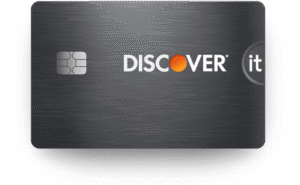
This is widely considered the best card for bad credit in the U.S. market.
-
No Annual Fee: Unlike many competitors, Discover doesn’t charge you just for holding the card.
-
Cash Back Rewards: You earn 2% cash back at gas stations and restaurants on up to $1,000 in combined purchases each quarter, plus 1% on everything else.
-
Automatic Reviews: Starting at seven months, Discover begins monthly reviews of your account to see if you can transition to an unsecured card and get your deposit back.
2. Capital One Platinum Secured Credit Card
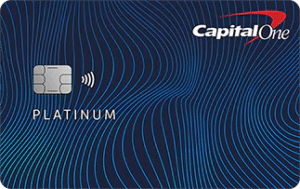
This card is famous for its low barrier to entry. Depending on your creditworthiness, you might be able to secure a $200 limit with a deposit of only $49, $99, or $200.
-
Credit Line Increases: Capital One typically monitors accounts and offers a higher credit limit after only six months of on-time payments, with no additional deposit required.
Top Unsecured Credit Cards for Limited or Poor Credit
If you absolutely cannot afford a security deposit, there are “unsecured” options. However, you must be extremely diligent about reading the fine print.
1. Capital One Platinum Credit Card
This is the “big brother” to the secured version. It’s designed specifically for “fair” credit. It has no annual fee and no hidden maintenance fees, making it a solid choice if you have some credit history but it’s currently bruised.
2. Mission Lane Visa® Credit Card
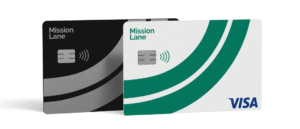
Mission Lane has gained popularity for its transparency. They offer an instant decision and a clear path to higher credit limits. There are no “junk fees,” though your annual fee will depend on your specific credit profile.
Store Credit Cards: The “Secret Door” to Better Credit
Store-branded credit cards (like those from Kohl’s, Macy’s, or Gap) are often easier to get than traditional Visa or Mastercard options. This is because they can only be used at specific retailers, reducing the risk for the lender.
The Strategy: Use a store card for a small, necessary purchase once a month and pay it off immediately. These cards report to the bureaus just like “major” cards do. However, beware of their high APRs—never carry a balance on a store card.
What to Avoid: The “Fee-Haver” Predatory Cards
As you search for cards, you will likely see offers for cards like Credit One, First Premier, or Continental Finance. While these cards do report to bureaus, they often charge:
-
Annual Fees upwards of $95.
-
Monthly Maintenance Fees (sometimes $6–$10 per month).
-
Program Fees just to open the account.
If you can avoid these, do so. A secured card from a reputable bank like Discover or Capital One is almost always a better financial move.
Strategic Use: How to Turn a “Bad Credit Card” into an 800 Score
Getting the card is only 20% of the battle. The other 80% is how you use it.
The “Micro-Transaction” Strategy
Don’t use your new card for big purchases. Instead, put one small, fixed subscription on it—like Spotify or Netflix. Set the card to “Auto-Pay” for the full balance. This ensures 100% on-time payment history and keeps your utilization ratio near 1%, which is the “sweet spot” for score increases.
Double-Payment Method
If you must use the card for daily expenses, pay the balance twice a month. Pay once mid-month and once before the statement closing date. This keeps the balance that is reported to the bureaus very low, even if you are using the card frequently.
The Role of Credit Builders and “Alternative” Credit Tools

If you are struggling to get approved even for a secured card, consider “Credit Builder Loans” like Self or SeedFi. These aren’t credit cards; they are forced savings accounts that report your “savings” as loan payments to the bureaus.
Additionally, tools like Experian Boost can help by adding your utility and cell phone payments to your credit report, which can provide an instant (though usually small) bump to your FICO score.
How Long Does it Take to See Results?
Consistency is the only “shortcut” in the world of credit.
-
3 Months: You will likely see the beginning of an upward trend.
-
6-12 Months: This is the typical timeframe for “graduating” from a secured card or seeing a jump of 50–100 points.
-
2 Years: With perfect habits, you can often move from “Bad” to “Good” (670+).
Your Path to Financial Freedom Starts with One Card
Rebuilding your credit isn’t about how much money you have; it’s about proving you are reliable with the money you borrow. By choosing a high-quality card like the Discover it® Secured or Capital One Platinum, and following the rules of low utilization and on-time payments, you are reclaiming your financial agency.
Don’t let a bad score hold you back. Pick a card, stay disciplined, and watch as the doors to better mortgages, lower insurance rates, and financial peace of mind begin to open.