What is emotional spending?
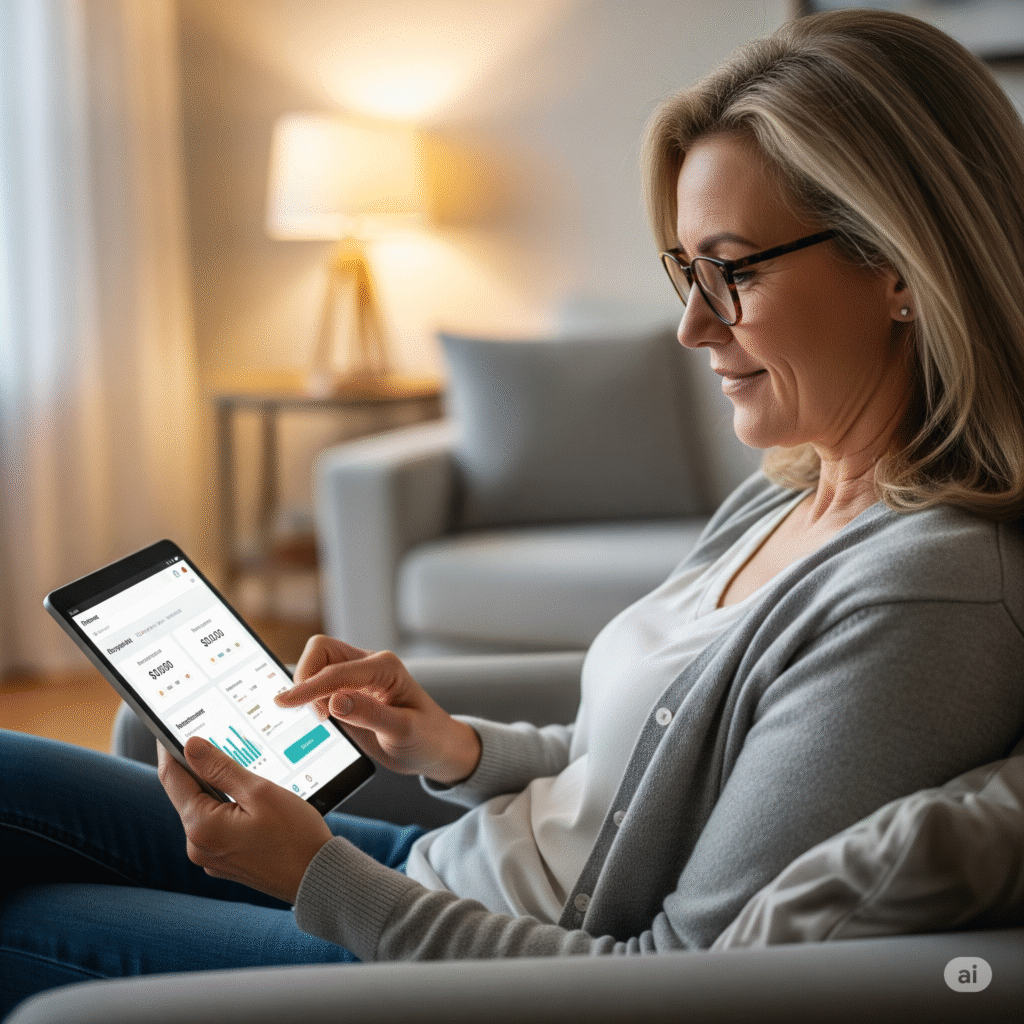
We have all been there. After a grueling day at the office, a tense argument with a partner, or even a sudden burst of excitement, we find ourselves mindlessly scrolling through an online marketplace. A few clicks later, a confirmation email arrives for a purchase we didn’t know we needed ten minutes ago.
This phenomenon is known as emotional spending (often colloquially called “retail therapy”). While it might feel like a harmless pick-me-up in the moment, it is one of the most significant silent killers of long-term wealth, credit health, and personal peace of mind.
In this comprehensive guide, we will dive deep into the psychology behind emotional spending, how it impacts your financial ecosystem—from credit scores to loan eligibility—and, most importantly, how you can reclaim control over your wallet.
Understanding the Psychology: Why Do We Spend When We Feel?

At its core, emotional spending is the act of buying goods or services to manage, enhance, or suppress an emotion rather than to fulfill a physical or practical need. It is a coping mechanism. When we experience stress, sadness, or even boredom, our brains seek a “quick fix.”
The Dopamine Loop
When you find a “deal” or click “buy now,” your brain releases dopamine, a neurotransmitter associated with pleasure and reward. This creates a temporary “high” that masks underlying negative emotions. However, like any chemical high, it is fleeting. Once the package arrives and the novelty wears off, the original emotion often returns, sometimes accompanied by guilt or financial anxiety, leading to a vicious cycle of further spending to “fix” the new stress.
The Role of “Retail Therapy” in Modern Culture
Society has normalized emotional spending. Commercials and social media influencers often project the idea that “you deserve it” or that a specific product will solve a lifestyle problem. This cultural reinforcement makes it difficult for many to distinguish between a legitimate reward and a destructive habit.
Identifying the Triggers: The HALT Method and Beyond
To stop emotional spending, you must first understand what triggers it. Most emotional spending falls into a few specific categories of “feeling.” A popular tool used by psychologists and financial advisors is the HALT method.
1. Hunger (Physical and Emotional)
While literal hunger leads to overspending at the grocery store, emotional hunger—a feeling of emptiness or lack of fulfillment—often leads to lifestyle purchases.
2. Anger and Frustration
Have you ever made a “revenge purchase” after a bad day? Anger creates a desire for control. Spending money is an immediate way to exert power over your environment when other areas of your life feel chaotic.
3. Loneliness
In an era of digital isolation, many people use shopping as a way to connect. Whether it’s interacting with a salesperson or feeling part of a “community” of brand owners, spending can provide a temporary sense of belonging.
4. Tiredness and Exhaustion
Willpower is a finite resource. By 9:00 PM, after a full day of making decisions, your “decision fatigue” is at its peak. This is why late-night online shopping is a multi-billion dollar industry; your brain simply doesn’t have the energy to say “no.”
The Hidden Financial Toll: Credit Cards, Loans, and Interest
Emotional spending isn’t just about the money leaving your bank account today; it’s about the long-term damage to your financial infrastructure.
The Credit Card Trap
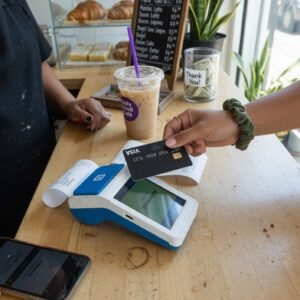
Most emotional spending is done via credit cards. Because plastic (or digital) currency is less “tangible” than cash, the brain doesn’t register the loss as acutely. However, if you aren’t paying off these emotional balances in full every month, you are paying interest on your emotions. A $100 “cheer-up” purchase can easily turn into a $150 burden after a year of high-interest APR.
Impact on Credit Scores (DTI and Utilization)
Frequent impulse buying increases your Credit Utilization Ratio—the amount of credit you use versus your limit. A ratio above 30% can significantly lower your credit score. If you eventually need a mortgage or an auto loan, those emotional purchases from years ago could result in higher interest rates or loan denials, costing you tens of thousands of dollars over time.
The Opportunity Cost of Investing
Every dollar spent on a temporary emotional fix is a dollar that isn’t being invested in the stock market, a 400(k), or a high-yield savings account. Over 20 or 30 years, an extra $200 a month in emotional spending represents a massive loss in compound interest—potentially hundreds of thousands of dollars in retirement wealth.
How Social Media Fuels Impulse Buying (FOMO and Lifestyle Creep)

In the digital age, we are constantly bombarded by the “highlight reels” of others. This leads to FOMO (Fear of Missing Out) and Lifestyle Creep.
The Comparison Trap
When you see an acquaintance on Instagram posting about a luxury vacation or a new designer bag, it can trigger feelings of inadequacy. To compensate, you might spend money you don’t have to project an image of success. This is “competitive spending,” and it is almost always fueled by emotion rather than utility.
Algorithmic Targeting
Modern advertising algorithms are designed to find you when you are most vulnerable. They track your browsing habits and serve you products that align with your current moods or aspirations. Recognizing that your “desires” are often being manufactured by an algorithm is the first step toward reclaiming your autonomy.
Actionable Strategies to Break the Cycle of Emotional Spending
Knowledge is power, but action is what changes your bank balance. Here are advanced techniques to curb impulse buys and move toward mindful spending.
1. The 24-Hour (or 72-Hour) Rule
Before making any non-essential purchase, force yourself to wait. Add the item to your cart, then close the browser. If you still feel the same “need” for it after 24 to 72 hours, evaluate it then. Usually, the emotional spike will have subsided, and the urge to buy will vanish.
2. Unsubscribe and Unfollow
Your inbox is likely a graveyard of “limited-time offers” designed to create urgency. Spend 30 minutes unsubscribing from retail newsletters. Similarly, unfollow influencers who make you feel like your current life isn’t “enough.”
3. Use the “Hours of Work” Calculation
Before buying something, calculate how many hours you have to work (after taxes) to pay for it. If a new pair of shoes costs $200 and you take home $25 an hour, ask yourself: “Are these shoes worth 8 hours of my life in the office?” Often, the answer is a resounding no.
4. Create a “Fun Money” Category in Your Budget
Complete deprivation often leads to “spending binges.” Instead of trying to never spend on yourself, create a strict, monthly limit for “guilt-free” spending. When that money is gone, the store is closed until next month.
The Connection Between Financial Health and Mental Health
It is impossible to discuss finance without discussing mental health. Stress over debt is a leading cause of anxiety and depression, which in turn leads to more emotional spending.
Seeking Professional Help
If you find that your spending is compulsive or that you are hiding purchases from loved ones, you may be dealing with more than just “bad habits.” Financial therapy is a growing field that helps individuals address the psychological roots of their money management issues.
The Importance of Insurance and Safety Nets
Emotional spending often happens because we lack a sense of security. By prioritizing an emergency fund (3-6 months of expenses) and ensuring you have the right insurance coverage (life, health, disability), you create a “psychological floor.” Knowing you are protected against life’s catastrophes reduces the baseline anxiety that often triggers the urge to shop.
For Entrepreneurs: Emotional Spending in Business
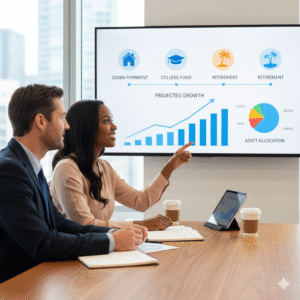
If you are a business owner, emotional spending can manifest as “Shiny Object Syndrome.” This involves buying every new software, course, or piece of equipment in the hopes that it will be the “magic bullet” for your business’s success.
Just like personal spending, business investments should be driven by data and ROI (Return on Investment), not by the fear that your competitors have something you don’t. Before every business purchase, ask: “How exactly will this generate revenue or save time?”
Toward a Mindful Financial Future
Emotional spending is not a character flaw; it is a human response to a complex, high-pressure world. However, by identifying your triggers, understanding the long-term impact on your credit and investments, and implementing “friction” into your buying process, you can break the cycle.
True financial freedom isn’t about how much you can buy; it’s about the peace of mind that comes from knowing your money is working for your future, not just soothing your past.
Key Takeaways for Your Financial Journey:
-
Audit your emotions: Ask “How am I feeling?” before hitting “Checkout.”
-
Protect your credit: High utilization from impulse buys hurts your future loan prospects.
-
Build a buffer: An emergency fund is the best defense against stress-based spending.
-
Focus on value, not price: A “sale” is only a saving if you actually needed the item.
By mastering your emotions, you master your money. And by mastering your money, you design a life that doesn’t require “retail therapy” to feel complete.