Why do people spend money to feel better?
We have all experienced it: a rough day at the office, a fallout with a friend, or a persistent sense of boredom that leads us straight to our favorite online retailer. Within minutes, the “Add to Cart” button becomes a source of solace. This behavior is often dismissed as “retail therapy,” but beneath the surface lies a complex web of neurobiology, sociology, and marketing manipulation.
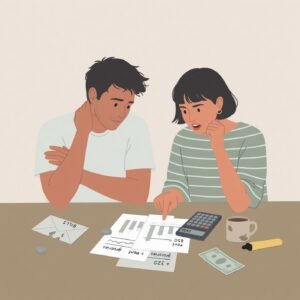
Understanding why people spend money to feel better is not just an exercise in psychology; it is a vital step in mastering your personal finances. In a world of instant gratification, credit cards, and “Buy Now, Pay Later” schemes, your emotional state is often the biggest threat to your bank account.
The Neurobiology of the “Shopping High”: It’s All About Dopamine

To understand emotional spending, we must first look at the brain. When we anticipate a reward—like a new pair of shoes, a high-tech gadget, or even a gourmet meal—our brain releases dopamine.
Contrary to popular belief, dopamine isn’t just about the pleasure of having something; it’s primarily about the anticipation of getting it. The act of browsing and the moment of purchase trigger a neurological surge that temporarily masks stress, anxiety, or sadness.
The Dopamine Crash
The problem is that this “high” is incredibly short-lived. Once the purchase is made and the package arrives, the dopamine levels drop, often leaving the individual feeling worse than before—a phenomenon known as buyer’s remorse. To regain that feeling of control or happiness, the cycle repeats, leading to a dangerous loop of impulsive consumption.
Identifying Emotional Triggers: Why Stress Leads to Spending
Most people don’t spend money because they lack a budget; they spend because they lack a coping mechanism for their emotions. Here are the primary drivers:
-
Stress and Cortisol: High stress levels produce cortisol. Research shows that people under high stress are more likely to seek “reward” experiences to balance their internal chemistry.
-
The Need for Control: When life feels chaotic—perhaps due to job insecurity or relationship issues—spending money provides an immediate sense of agency. You chose the item, you paid for it, and it belongs to you.
-
Loneliness and Social Isolation: In the digital age, shopping can feel like a social activity. Interacting with brands or even just the “connection” of receiving a delivery can temporarily alleviate feelings of being alone.
-
Boredom (The Silent Budget Killer): With smartphones in our pockets, we are never more than two clicks away from a purchase. Boredom-induced spending is one of the most common ways modern consumers leak wealth.
How Credit Cards and Personal Loans Facilitate Emotional Spending
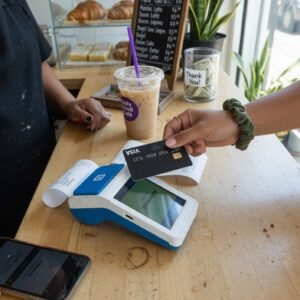
Financial products are tools, but when used emotionally, they become traps. The “pain of paying” is a real psychological concept. When we use physical cash, we feel the loss of the money. However, digital transactions and credit cards decouple the pleasure of the purchase from the pain of the payment.
The Danger of “Easy Credit”
Credit card companies and personal loan providers have made it easier than ever to spend money we haven’t earned yet. When you are feeling low, the “Limit” on your credit card doesn’t feel like a debt—it feels like a resource.
Using high-interest credit to fund emotional needs is a recipe for a debt spiral. If you are paying 20% interest on a “cheer-up” purchase, you aren’t just spending money; you are sacrificing your future financial security for a five-minute mood boost.
The Social Media Factor: FOMO and the Comparison Trap
In previous generations, we “kept up with the Joneses”—our neighbors. Today, we are trying to keep up with the Kardashians and influencers worldwide. Social media platforms are designed to trigger FOMO (Fear of Missing Out).
When you see a peer posting about a luxury vacation or a new car, it triggers a sense of inadequacy. To “feel better” and validate your social standing, you might spend money to project a similar image. This is a form of emotional spending driven by external validation rather than internal need.
The Diderot Effect: Why One Purchase Leads to Another
Named after the French philosopher Denis Diderot, this effect explains how a single new possession can lead to a spiral of consumption. Diderot was gifted a beautiful scarlet robe, but he soon realized his old furniture and rugs didn’t match its elegance. He began replacing everything to maintain “harmony.”
In modern finance, this happens constantly. You buy a new phone to feel better (emotional spending), but then you “need” the premium case, the wireless earbuds, and the matching smartwatch. Understanding the Diderot Effect is crucial for anyone trying to stop the bleed of emotional expenditures.
How Emotional Spending Impacts Your Credit Score
From a financial health perspective, emotional spending has a direct correlation with your Credit Utilization Ratio. This ratio—the amount of credit you use relative to your limits—makes up 30% of your FICO score.
-
High Utilization: Frequent impulse buys lead to maxed-out cards.
-
Lower Credit Scores: This leads to higher interest rates on future mortgages or auto loans.
-
Reduced Loan Eligibility: Lenders view impulsive spending patterns as a sign of high-risk behavior.
By curbing emotional spending, you aren’t just saving money; you are improving your “financial reputation” with banks and lenders, which saves you thousands of dollars in interest over a lifetime.
Practical Strategies to Break the Cycle of Mindful Consumption
If you find yourself spending to feel better, you need a system to override your emotional impulses.
1. The 72-Hour Rule
Before buying anything non-essential, wait three full days. If the desire is purely emotional, the “need” will likely fade within 72 hours. If it was a genuine need, you will still want it, but the emotional “fog” will have cleared.
2. Unlinking “Self-Worth” from “Net Worth”
Many people spend money because they feel their value as a human is tied to what they own. Shifting your mindset toward investing rather than spending can change your dopamine triggers. Eventually, you can train your brain to get a “high” from seeing your savings account grow rather than seeing a package on your doorstep.
3. Creating a “Friction” Environment
Modern apps are designed to be “frictionless.” To stop emotional spending, you must reintroduce friction:
-
Remove saved credit card info from browsers.
-
Delete shopping apps from your phone.
-
Unsubscribe from “Sales” and “Promotional” emails.
The Role of Insurance and Financial Security in Emotional Health
It may seem counterintuitive, but having the right insurance and an emergency fund can actually reduce the urge to spend emotionally. Much of our impulsive behavior is a reaction to underlying anxiety about the future.
When you have a robust insurance policy (health, life, disability) and a six-month emergency fund, your baseline stress level drops. When you feel secure, you are less likely to seek out the “quick fix” of retail therapy. Financial security is the ultimate antidepressant.
For the Entrepreneur: Emotional Spending in Business

This phenomenon isn’t limited to personal lives. Business owners often engage in emotional spending by purchasing expensive software, courses, or office upgrades when they feel their business is stalling. This is often an attempt to “buy” progress rather than doing the hard work of strategy.
Before any business expenditure, ask: “Is this purchase solving a specific, data-proven bottleneck, or am I just buying it to feel like I’m moving forward?”
Trading Temporary Highs for Permanent Freedom
Spending money to feel better is a human response to a stressful world, but it is a losing strategy. The “stuff” we buy eventually becomes clutter, and the debt we accrue becomes a weight that prevents us from achieving true freedom.
By recognizing your emotional triggers, understanding the dopamine loop, and implementing practical financial boundaries, you can transition from an emotional spender to a mindful investor. Real happiness doesn’t come from what you can buy—it comes from the security and freedom of what you own.